5 Interpretive Signage Trends Shaping Visitor Experiences in 2026
How parks, museums, zoos, and cultural destinations are rethinking the way they tell stories.
Interpretive signage has always played an important role in connecting people to places. Whether it's sharing the history of a national park, explaining wildlife habitats at a zoo, or bringing a historic landmark's story to life, great signage does more than provide information. It creates an experience.
But the way visitors interact with signage is changing.
Today's visitors want information that's easy to understand, visually engaging, accessible, and relevant to their surroundings. At the same time, parks, museums, and other destinations are looking for signage solutions that offer greater flexibility, durability, and long-term value.
As we look at interpretive signage trends in 2026, one thing is clear: the future of interpretive signage isn't about adding more information. It's about creating more meaningful connections.
Here are five trends helping shape the next generation of interpretive signage.
1. Less Reading, More Connecting: The Rise of Story-First Signage
We've all encountered an interpretive sign packed with so much text that we weren't sure where to begin.
Today's interpretive signage is moving away from information overload and toward a more thoughtful, story-first approach.
Instead of trying to communicate every detail, effective signs focus on one compelling message that captures attention and encourages visitors to explore further.
A helpful design concept is the 3-30-300 approach, which considers different levels of visitor engagement:
3 seconds: Capture attention with an engaging headline or striking visual.
30 seconds: Communicate the main message through short text and meaningful imagery.
300 seconds: Offer additional details for visitors who want to explore the story more deeply.
The goal isn't necessarily to make every visitor read every word. It's to make sure visitors can walk away with something meaningful, whether they spend five seconds or five minutes at a display.
At Lark Signs, our custom interpretive signs can incorporate vibrant photography, illustrations, maps, and educational content to help organizations share their stories in an engaging, easy-to-understand way.
The takeaway: When visitors can quickly understand the story, they're more likely to remember it.
2. Bringing Stories to Life Through Texture and Dimension
Interpretive signage is becoming more than something visitors simply look at.
Designers are exploring ways to create physical depth, texture, and visual interest that make signage feel like a natural extension of the environment.
Dimensional lettering, layered materials, custom illustrations, and nature-inspired design elements can help transform a traditional interpretive panel into a more memorable experience.
Imagine walking through a botanical garden and discovering signage that complements the surrounding landscape, or visiting a historic site where the signage reflects the character and history of the location.
These thoughtful design choices help connect the physical sign to the place it represents.
At Lark Signs, we offer a variety of signage options, including bronze plaques and historical markers, along with custom full-color interpretive panels. These options allow organizations to select materials and styles that complement their surroundings while providing long-lasting performance.
The takeaway: Great interpretive signage should feel like it belongs in its environment.
3. Making Interpretation More Accessible to Everyone
Accessibility is no longer just a finishing detail in interpretive signage design. It's an essential part of creating a welcoming visitor experience.
Parks, museums, zoos, and cultural destinations serve visitors of different ages, backgrounds, and abilities. Effective interpretive signage should make information easier for as many people as possible to understand and enjoy.
That can include:
Clear, readable typography and strong color contrast.
Simple language that communicates complex subjects without unnecessary jargon.
Thoughtful sign placement and viewing heights.
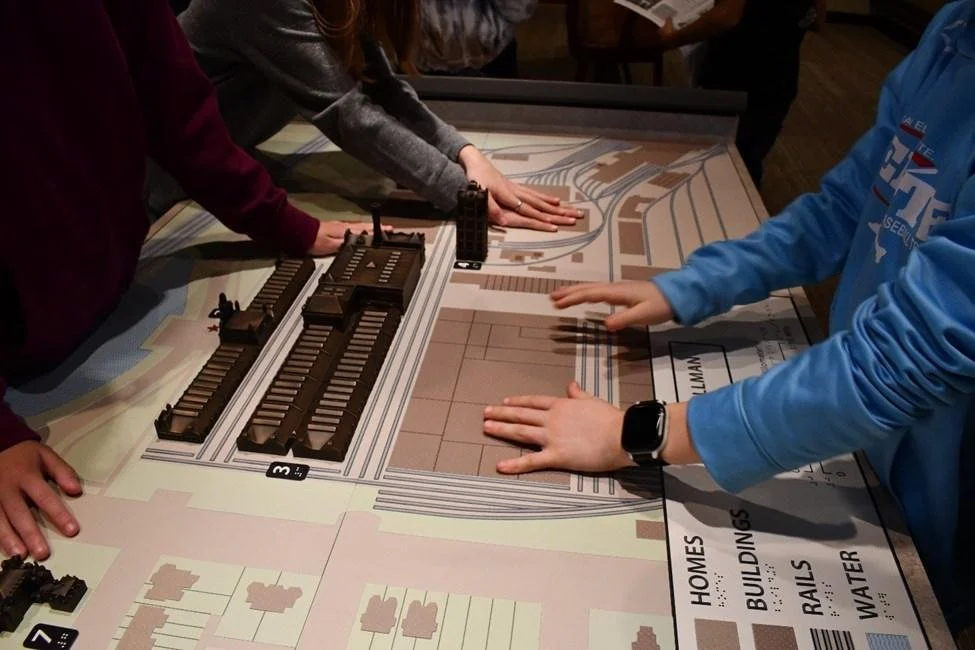
Braille and raised lettering for tactile reading.
Audio interpretation and multilingual content accessible through digital tools.
Braille and Bronze Signage: Accessibility That Lasts
One way organizations can make their spaces more inclusive is by incorporating tactile information into their signage.
Lark Signs offers Braille and raised lettering on bronze signage, providing an option for organizations that want to combine accessibility with the timeless appearance and durability of bronze.
These features can be especially valuable in museums, historic sites, memorial spaces, and other public destinations where visitors benefit from tactile identification and information.
Bronze signage also offers a classic, professional appearance that complements both traditional and contemporary environments.
Learn more about our museum signs, bronze plaques, and accessibility options.
When planning accessible signage, it's important to consider the complete visitor experience, including appropriate placement, tactile readability, and applicable accessibility requirements.
The takeaway: Thoughtful accessibility features help more visitors connect with the stories your organization wants to share.
4. Connecting Physical Signs with Digital Experiences
Technology continues to influence interpretive signage, but that doesn't mean every destination needs large digital displays.
One of the most practical approaches is combining durable physical signage with optional digital experiences.
QR codes, for example, can connect visitors to additional content without overwhelming the physical sign.
A visitor might scan a code to access:
An audio tour or narrated story.
Information in another language.
Additional photographs, videos, or historical resources.
Seasonal wildlife updates.
Educational activities or interactive content.
This approach allows the physical sign to remain clear, attractive, and easy to understand while giving interested visitors the opportunity to explore further.
At Lark Signs, our outdoor interpretive signage can incorporate QR codes alongside full-color graphics, maps, and educational information.
For organizations looking to provide additional resources without overcrowding their signs, QR codes offer a practical way to connect physical interpretation with online content.
The takeaway: Technology should enhance the visitor experience, not distract from it.
5. Flexible Signage Systems That Change with Your Story
One of the most practical developments in interpretive signage is the growing interest in flexible, changeable signage systems.
For parks, gardens, zoos, museums, and nature centers, information doesn't always stay the same.
Seasonal exhibits rotate. Educational programs evolve. Trail information changes. New discoveries create opportunities to share different stories.
Traditionally, updating signage could mean replacing an entire display or working around a mounting system that wasn't designed for frequent changes.
But what if updating your interpretive signage could be as simple as opening a panel and swapping out the content?
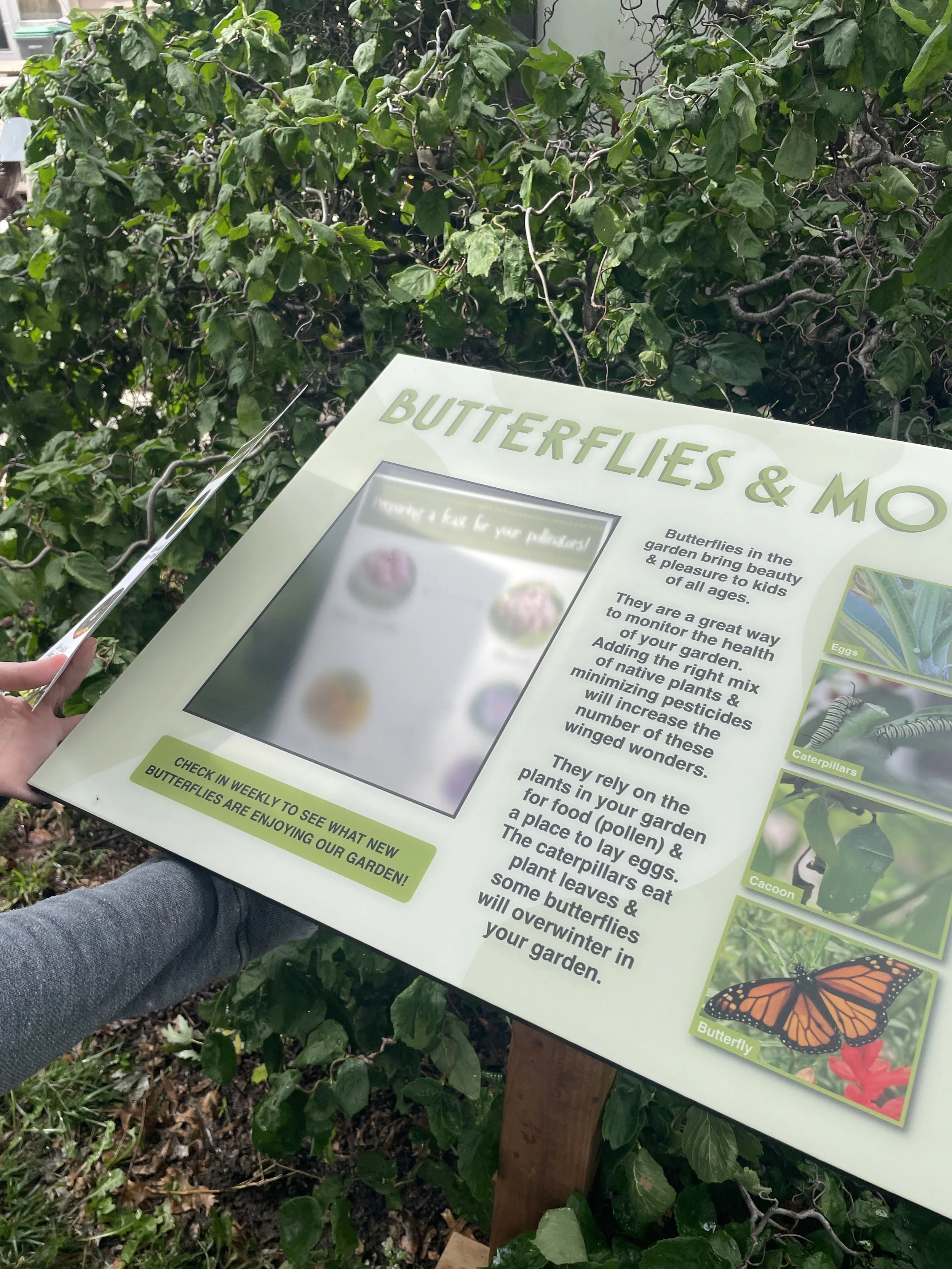
Meet Flip-It: Changeable Interpretive Signage from Lark Signs
At Lark Signs, our Flip-It Changeable Signage Panels are designed to make updating interpretive displays simple, convenient, and cost-effective.
Unlike traditional fixed-content signs, Flip-It panels feature a secure, lockable viewing window that allows organizations to change their displayed graphics and educational information without replacing the entire sign structure.
Simply unlock the panel, replace the content, and secure it again. No tools are needed for routine content changes.
Why Choose Flip-It Signage?
Easy Content Updates
Whether you're changing seasonal information, introducing a new exhibit, or refreshing educational materials, Flip-It panels allow you to update your message in minutes.
Built for Outdoor Environments
Flip-It panels are constructed with durable, weatherproof materials, including a protective polycarbonate viewing layer with UV protection. They're designed to help keep outdoor displays looking professional through changing weather conditions.
Customizable to Your Needs
Choose from standard or custom sizes and shapes, full-color designs, and mounting options to create signage that complements your location.
A Practical Long-Term Investment
Instead of replacing an entire sign structure whenever information changes, organizations can update the displayed content while continuing to use the existing panel system.
The takeaway: Your story may change over time. Your signage should be able to change with it.
Where Can Flip-It Signs Be Used?
Flip-It signage is a versatile option for many educational and public spaces:
Botanical Gardens: Highlight seasonal blooms, plant collections, and educational programs.
Zoos and Aquariums: Update animal information, habitat interpretation, and rotating exhibits.
Parks and Nature Centers: Share seasonal wildlife information, trail education, and conservation messages.
Museums and Historic Sites: Refresh temporary exhibits and incorporate new research.
Visitor Centers: Display changing programs, announcements, and educational content.
StoryWalk® Trails: Create engaging outdoor reading experiences with content that can be changed as stories rotate.
Lark Signs also offers Mini Flip-It Signs, a compact option for smaller spaces, plant displays, and projects where a smaller changeable sign is preferred.
Whether you're updating a single exhibit or planning an entire educational trail, Flip-It panels offer the flexibility to keep your signage relevant as your organization's needs evolve.
Explore Lark Signs Flip-It Panels, Features & Options
The Future of Interpretive Signage Is About Connection
While design trends and technology will continue to evolve, the purpose of interpretive signage remains the same: helping people understand, appreciate, and connect with the world around them.
The most effective signs aren't necessarily the ones with the most words, the most technology, or the most elaborate materials.
They're the ones that make visitors stop, look, learn, and remember.
Whether that means simplifying your message, improving accessibility with Braille and tactile lettering, incorporating new visual elements, or choosing a signage system that can adapt over time, thoughtful design can make a lasting difference.
Ready to Tell Your Story?
At Lark Signs, we believe interpretive signage should be as engaging and enduring as the places it represents.
From durable outdoor educational panels and bronze signage with Braille options to innovative Flip-It changeable displays, we offer signage solutions designed to help organizations share their stories with confidence.
Whether you're planning a new interpretive trail, updating an existing exhibit, or looking for a more flexible way to display information, we're here to help.
Let's create signage that tells your story today—and has the flexibility to keep telling it tomorrow.