
What Is Nature Play? Why It's Changing Parks, Schools, and Outdoor Learning
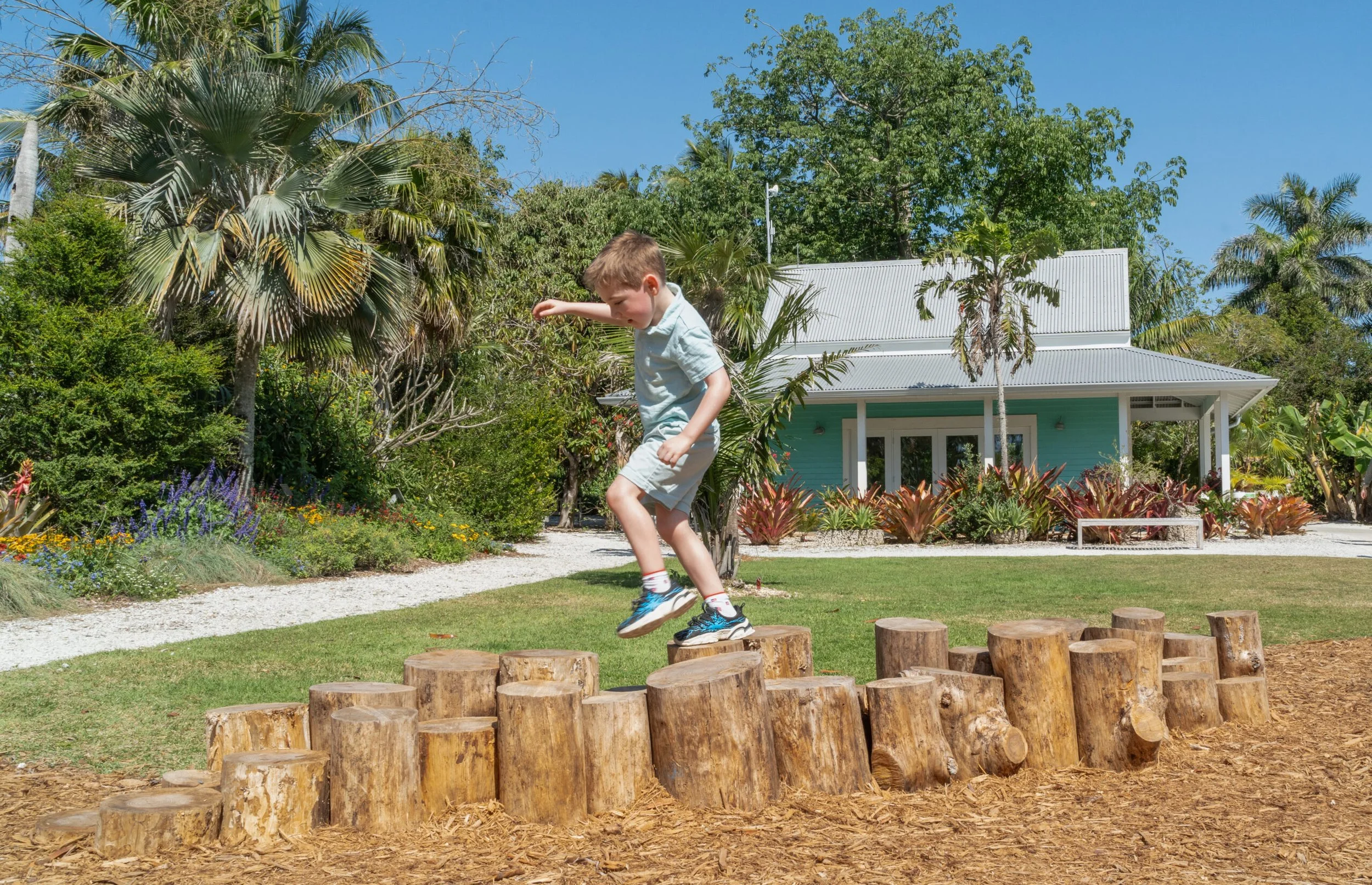
If you've visited a newly renovated park, botanical garden, or school campus lately, you may have noticed something different. Instead of rows of brightly colored playground equipment, there are climbing logs, giant boulders, native plants, winding trails, and places where kids are encouraged to get a little dirty.
This is nature play, and it's becoming one of the fastest-growing trends in outdoor recreation and education.
Rather than telling children exactly how to play, nature play invites them to explore, imagine, and discover the world around them. Whether they're building forts from sticks, balancing across logs, or watching butterflies in a pollinator garden, every experience is a little different—and that's exactly the point.
So, What Is Nature Play?
Nature play is unstructured play that takes place in natural environments or spaces designed to mimic them. Instead of relying on manufactured playground equipment, these areas use elements like rocks, trees, water, sand, plants, and other natural materials to encourage exploration.
The idea is simple: give children the freedom to interact with nature in ways that spark creativity and curiosity.
A nature play area might include:
Climbing logs and tree stumps
Large boulders
Native gardens
Sand and water features
Nature trails
Loose materials like sticks, leaves, and pinecones
Wildlife habitats
Discovery stations
No two visits are ever exactly the same because nature itself is always changing.
Why Is Nature Play Becoming So Popular?
For years, playgrounds focused on providing safe, standardized equipment. While traditional playgrounds still have an important role, many communities are looking for ways to create richer outdoor experiences.
Nature play encourages children to slow down, observe, experiment, and use their imagination.
Parents appreciate that it gets kids away from screens.
Schools value the opportunities for hands-on learning.
Parks and botanical gardens enjoy creating spaces that families return to throughout the year as the seasons change.
It's a simple concept with benefits that extend well beyond physical activity.
The Benefits of Nature Play
One of the biggest advantages of nature play is that children become active participants instead of simply users of playground equipment.
As they climb, dig, build, balance, and explore, they're developing skills that are difficult to teach inside a classroom.
Nature play can help encourage:
Creative thinking
Problem-solving
Balance and coordination
Confidence and independence
Social interaction
Observation skills
An appreciation for the natural world
Perhaps most importantly, it gives children the opportunity to make their own discoveries.
A fallen log isn't just a log. It might become a pirate ship, a balance beam, or the entrance to an imaginary castle.
Nature Play Is More Than Just a Playground
Many people picture a playground when they hear the word "play," but nature play spaces often look very different.
You'll find them in places like:
Community parks
Botanical gardens
Nature centers
Schools
Children's museums
Zoos
Campgrounds
Some are large, dedicated nature play areas, while others simply incorporate discovery trails, pollinator gardens, or outdoor learning stations into an existing park.
Because these spaces blend naturally into the landscape, they often feel less like a destination and more like an invitation to explore.
Where Educational Signage Fits In
Nature play is built around curiosity, which makes educational signage a natural addition.
Instead of directing visitors where to go, interpretive signs can encourage them to notice what's already around them.
A sign might ask children to compare different leaf shapes, look for animal tracks, identify native flowers, or spot birds in nearby trees. These simple prompts turn an ordinary walk into an interactive learning experience.
For parks, schools, and nature centers, outdoor signage also helps tell the story of the landscape, explaining local wildlife, ecosystems, and conservation efforts in a way that's engaging for visitors of all ages.
At Lark Signs, we work with parks, gardens, schools, and museums to create durable interpretive signage that complements outdoor spaces without taking attention away from the natural environment.
Nature Play Is Here to Stay
As communities continue investing in outdoor recreation and environmental education, nature play is becoming more than a passing trend.
It's changing the way children experience parks and outdoor spaces by encouraging exploration instead of instruction.
Whether it's a winding discovery trail, a cluster of climbing boulders, or a simple garden filled with native plants, nature play reminds us that some of the best learning happens outside.
If you're planning a nature play space, thoughtful educational signage can help visitors connect more deeply with the environment while encouraging them to slow down, observe, and discover something new every time they visit.