
Designing Outdoor Classrooms: Tips for Schools, Libraries, Parks, and Museums
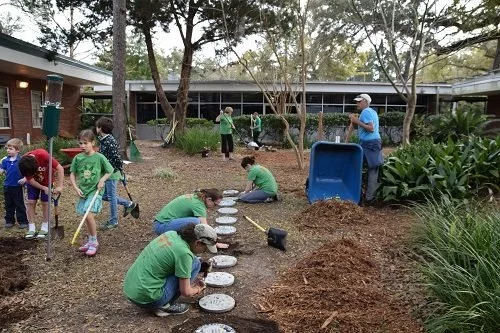
Outdoor classrooms are having a bit of a moment—and for good reason. Getting people outside isn’t just a nice change of scenery, it actually helps with focus, creativity, and overall well-being. Whether it’s a school, library, park, or museum, these spaces can turn everyday learning into something more engaging and memorable.
The key, though, is designing them with intention. A couple of benches outside won’t cut it. You want a space people actually want to use. Here’s how to make that happen.
Start with How the Space Will Be Used
Before you think about furniture or layout, take a step back and ask: what’s this space really for?
Schools might need areas for group lessons, science experiments, or quiet reading.
Libraries could use cozy spots for reading or storytime.
Parks often benefit from flexible spaces for community programs.
Museums can create hands-on, interactive outdoor exhibits.
When you’re clear on the purpose, everything else gets a lot easier to plan.
Make It Comfortable (Or No One Will Stay)
This sounds obvious, but it’s often overlooked. If the space isn’t comfortable, people won’t use it—simple as that.
Shade is a big one. Trees, shade sails, or pergolas can make a huge difference, especially in warmer climates. Seating matters too. Mix it up with benches, movable chairs, and maybe even some casual options like logs or low platforms.
Also think about things like wind, drainage, and materials that won’t get too hot or wear down quickly. The goal is to create a space people can actually spend time in.
Keep It Flexible
Outdoor classrooms work best when they can adapt.
Instead of locking yourself into one layout, go for movable or modular furniture. That way the space can shift from a group lesson to a quiet reading area to a hands-on activity zone without much effort.
Open space is important too. You’ll want room for things like art projects, demonstrations, or even small events. A little flexibility goes a long way.
Let Nature Do Some of the Work
One of the biggest advantages of being outside is…well, being outside.
Bring in natural elements like plants, rocks, wood, or even water features. Not only do they make the space feel more inviting, but they can also double as teaching tools. Gardens for biology lessons, weather stations for science, or just spaces for observation and reflection.
You don’t have to overdesign it—sometimes the environment itself is the best feature.
Make Sure It Works for Everyone
An outdoor classroom should feel welcoming to all users.
That means accessible pathways, thoughtful seating options, and clear layouts that are easy to navigate. It’s also worth considering sensory-friendly features, like quieter zones or areas with different textures.
The more inclusive the space is, the more people will actually benefit from it.
Add Technology (But Keep It Balanced)
Yes, it’s an outdoor space—but that doesn’t mean technology is off-limits.
If it makes sense, you can include things like Wi-Fi access, power sources, or weatherproof display boards. These can be especially helpful for hybrid learning or interactive experiences.
Just don’t overdo it. The goal is still to get people engaged with the environment around them.
Plan for Durability
Outdoor spaces take a beating from the weather, so materials matter.
Look for furniture and structures that are built to last—things that won’t fade, crack, or require constant maintenance. The same goes for landscaping and surfaces. Low-maintenance choices will save a lot of time (and budget) down the road.
It’s not the most exciting part of the process, but it’s one of the most important.
Don’t Forget About Outdoor Signage
Signage might not be the first thing you think about, but it really helps pull everything together.
It can guide people through the space, explain how to use different areas, and even add an extra layer of learning. Simple wayfinding signs, labels for plants or features, or small educational panels can make the space feel more interactive and easy to navigate.
Since it’s all outdoors, durability matters here too. You’ll want signage that can handle sun, wind, and weather without fading or falling apart—and that’s still easy to read from a distance.
Working with a company like Lark Signs can help you get signage that actually holds up (with a 10 year outdoor guarantee) and fits the overall look of your space, instead of feeling like something added at the last minute.
Create a Space People Actually Want to Use
At the end of the day, the best outdoor classrooms feel intentional. They’re comfortable, flexible, and connected to their surroundings. They invite people in rather than just existing as an extra space off to the side.
Whether you’re designing for students, families, or the broader community, a well-planned outdoor classroom can become a place people come back to again and again—not just because they have to, but because they want to.