
Essential Features Every Healing Garden Should Include
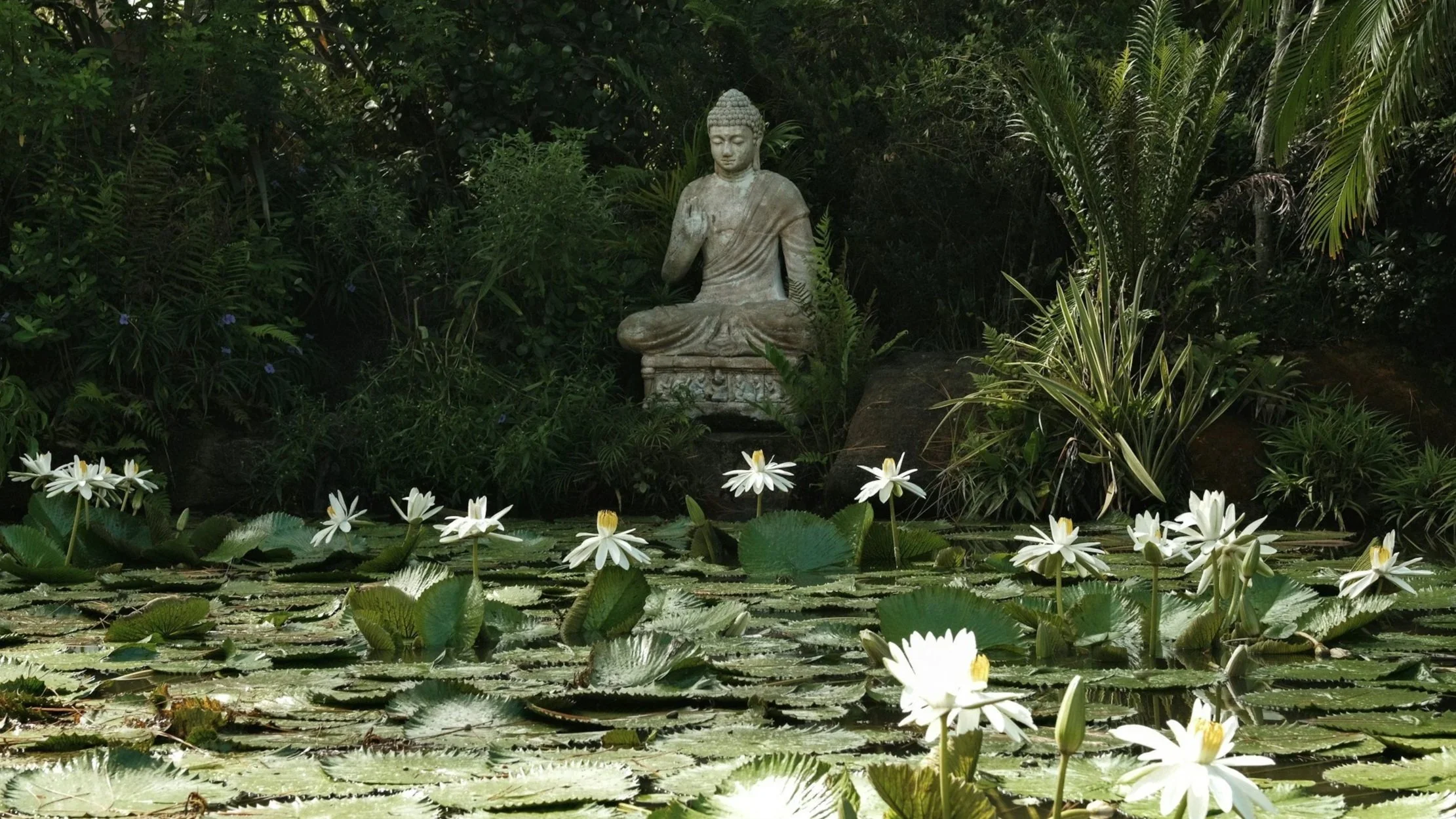
Let’s be honest—most of us don’t spend nearly enough time outside. Between screens, schedules, and stress, it’s easy to feel disconnected. That’s exactly why healing gardens have become so popular. They’re not just “nice outdoor spaces”—they’re intentionally designed environments that help people slow down, breathe, and reset.
Whether you’re planning a small backyard retreat or designing a larger public space, understanding the essential features of a healing garden can make all the difference. And no, it’s not just about planting a few flowers and calling it done. A truly effective healing garden design taps into the senses, encourages calm, and creates a meaningful experience.
Let’s walk through what actually makes a garden feel healing—and how you can bring those elements to life.
Natural Greenery That Engages the Senses
At the core of every healing garden is plant life—but not in a stiff, overly manicured way. The goal isn’t perfection. It’s connection.
Research in environmental psychology consistently shows that being around plants can lower stress levels, reduce anxiety, and even improve focus. But the magic really happens when you design with variety and sensory experience in mind.
Instead of sticking to a single type of plant, mix things up. Think soft textures like ornamental grasses brushing in the wind, fragrant herbs like lavender or rosemary, and seasonal blooms that change throughout the year. That sense of gentle change keeps the space feeling alive and engaging.
If you’re wondering how to create a healing garden that feels effortless, start with native plants. They’re easier to maintain, better for local ecosystems, and tend to feel more natural—less forced, more grounding.
The Subtle Power of Water Features
There’s something almost universal about how calming water feels. You hear a soft trickle or gentle splash, and your shoulders drop without you even realizing it.
That’s not just a vibe—it’s backed by research. The sound of flowing water can reduce stress and help improve concentration, which is why water features are such a staple in therapeutic garden design.
You don’t need anything elaborate, either. A small fountain, a birdbath, or even a simple water bowl can bring that soothing effect into the space. The key is to keep it soft and consistent—more background calm than center-stage noise.
Comfortable and Accessible Seating
A healing garden shouldn’t feel like a place you pass through—it should feel like somewhere you want to linger.
That starts with good seating. And not the kind that looks nice but is uncomfortable after five minutes. Think supportive, shaded, and placed with intention.
Maybe it’s a bench tucked under a tree, a chair facing a small water feature, or even a quiet corner with a bit of privacy. The idea is to give people a reason to pause.
When designing a garden for mental health, these small details matter more than you’d think. If people feel physically comfortable, they’re much more likely to relax mentally too.
Thoughtful Layout and Flow
Ever walked into a space that just felt… confusing? Too many paths, too much going on? That kind of design does the opposite of what a healing garden is supposed to do.
A well-planned layout should feel intuitive. Paths should gently guide you, not make you second-guess where to go. Curved lines tend to feel more natural and calming than sharp angles, and having clearly defined areas—like a walking path, a seating zone, or a quiet nook—helps the brain relax.
When people search for healing garden design ideas, this is often overlooked. But honestly, flow and simplicity are just as important as the plants themselves.
Balance of Sunlight and Shade
Sunlight is powerful—it boosts mood, supports vitamin D production, and helps regulate sleep. But too much of it? Not so relaxing.
That’s why the best healing gardens offer a mix. Open sunny spots where you can warm up a bit, paired with shaded areas where you can cool down and unwind.
Trees, pergolas, or even strategically placed shrubs can create those transitions. And giving people options—sun or shade, open or tucked away—adds a sense of control, which is incredibly important for emotional comfort.
Wildlife-Friendly Elements
One of the easiest ways to make a garden feel more alive (and more healing) is to invite wildlife in.
Birds, butterflies, and pollinators bring movement, sound, and a sense of life that you just can’t replicate artificially. And interestingly, studies show that even brief interactions with wildlife can improve mood and attention.
Planting pollinator-friendly flowers, adding a bird feeder, or including a small water source can go a long way. It doesn’t have to be complicated—it just has to be intentional.
Quiet Spaces for Reflection
Not every space in a healing garden needs to be shared. In fact, some of the most important areas are the ones designed for solitude.
A quiet corner—maybe partially enclosed with plants or tucked behind a path—gives people a place to think, breathe, or just be still. These spaces are especially important in therapeutic gardens, where emotional processing and stress relief are part of the goal.
Soft ground materials, reduced noise, and a bit of visual privacy can turn a simple corner into a deeply restorative spot.
Informational & Interpretive Signage
This is where things get really interesting—and often overlooked.
Good signage in a healing garden isn’t about cluttering the space with information. It’s about gently guiding, educating, and connecting people to what they’re experiencing.
For example, simple plant identification signs can spark curiosity and help visitors engage more deeply with the environment. Instead of just seeing a plant, they learn its name, maybe even its uses or meaning.
Small interpretive panels can tell the story of the garden—why it was created, what certain areas are meant for, or how different plants support wellness or pollinators. This adds a layer of meaning without overwhelming the space.
You can even include subtle mindfulness prompts. Something as simple as “Pause here. Take a deep breath.” can shift someone’s entire experience.
The key to healing garden signage is keeping it natural, minimal, and welcoming. Materials like wood or stone work beautifully, and the tone should feel conversational—not clinical.
When done right, signage doesn’t interrupt the calm—it deepens it.
Meaningful and Personal Touches
At the end of the day, healing is personal. And the best gardens reflect that.
Maybe it’s a small sculpture, a memory stone, or a piece of art that carries meaning. Maybe it’s a cultural or spiritual element that resonates with the people who use the space.
These touches don’t have to be big or expensive. They just have to feel intentional. They’re what turn a nice garden into a meaningful one.
Sustainable and Low-Maintenance Design
Here’s something people don’t always think about: a garden that’s hard to maintain can actually create stress instead of relieving it.
That’s why sustainability matters. Choosing drought-tolerant plants, using efficient irrigation, and designing with long-term care in mind helps keep the space looking and feeling good over time.
A truly effective healing garden design isn’t just beautiful on day one—it stays that way without becoming a burden.
Low-maintenance design ensures the garden remains a peaceful space over time—not a burden.
Designing for Healing, Not Just Aesthetics
Creating a healing garden isn’t about following a strict checklist—it’s about designing with intention.
When you combine natural elements, thoughtful layout, sensory experiences, and even small details like signage, you create something that goes beyond aesthetics. You create a space that actually supports well-being.
And the best part? You don’t have to do everything at once. Start with a few key features, build over time, and let the space evolve naturally.
Because at its core, a healing garden isn’t just something you design—it’s something people feel.