Benefits of Public Green Spaces for Mental Health and Community Well-Being
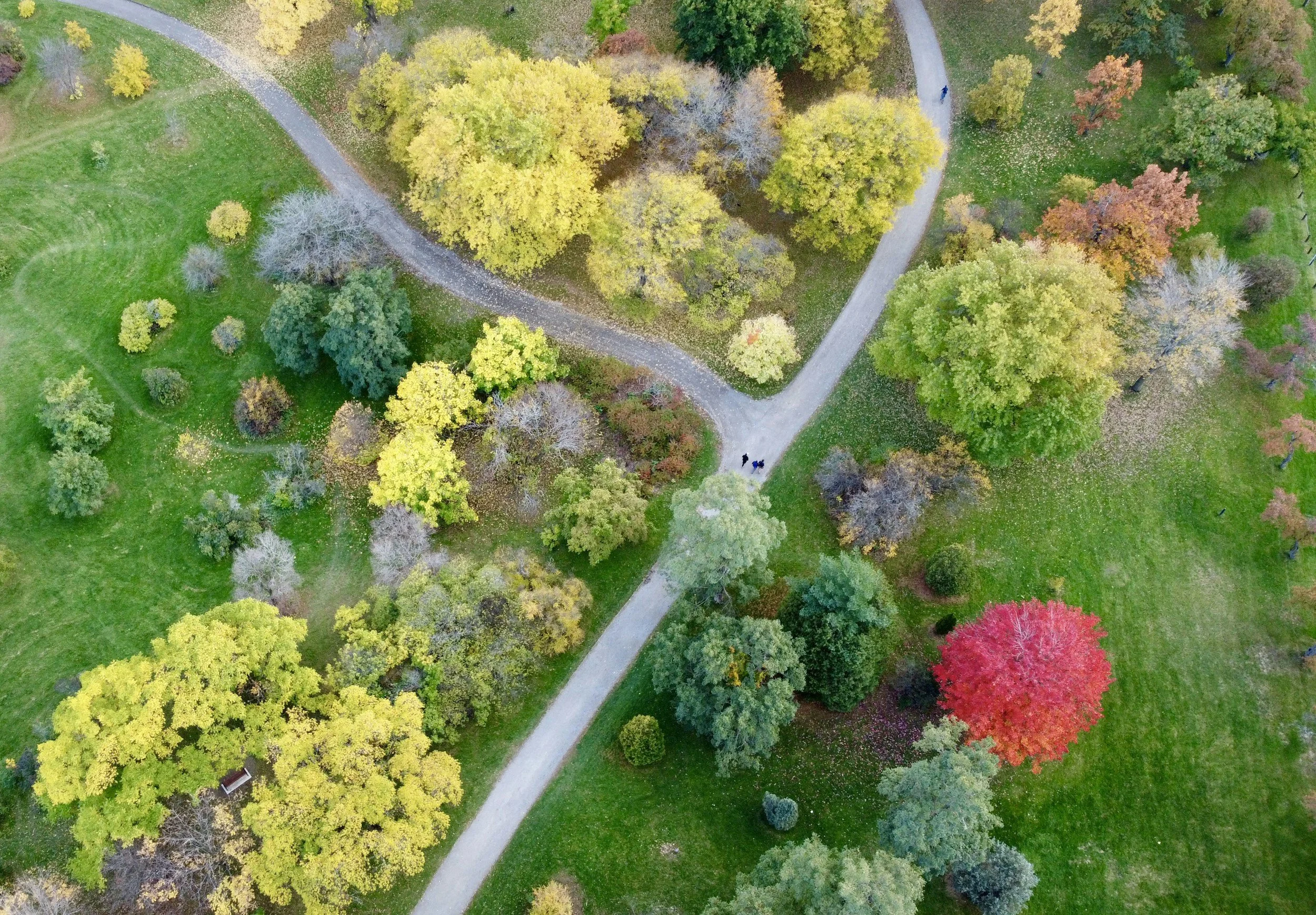
Think about the last time you took a walk in a park, sat under a tree, or just got outside for a few minutes. Chances are, you felt at least a little better afterward. That’s the magic of public green spaces—parks, trails, plazas, community gardens, and pocket parks. They’re not just nice to look at. They can genuinely support mental health and bring people together.
Here’s a closer look at the benefits of public green spaces, and a few simple ways communities can make them easier (and more inviting) for everyone to use.
1) Green spaces and mental health: a real connection
Life gets loud and busy. Green spaces give us a break from screens, traffic, and constant to-do lists. Even a quick walk outside can help you feel calmer and more clear-headed.
When parks are easy to access and comfortable to be in, people tend to visit more often—which means those mental health benefits show up more regularly, too.
2) Parks make it easier to move—without it feeling like a workout
Not everyone wants to “exercise.” But a lot of people will take a loop around a trail, stroll with a friend, push a stroller, or let the kids run around the playground. That everyday movement adds up.
A few things that help:
Signs that tell you where trails start and how long they are
Simple maps so you don’t feel lost
Clear directions to restrooms, playgrounds, or picnic spots
3) Green spaces help people connect (without it being awkward)
One of the biggest community parks benefits is that they create natural chances for people to be around each other. You see the same neighbors, your kids make friends, and suddenly your community feels a little smaller—in a good way.
Farmers markets, concerts, sports courts, dog parks, and even just a few benches in the shade can turn a space into a real gathering spot.
4) They’re great for families (and not just kids)
Outdoor play is huge for kids—creativity, confidence, emotional regulation, all of it. But green spaces also help parents and caregivers because they make routines easier: “Let’s swing by the park after school” or “Saturday morning playground time.”
It sounds small, but things like clearly marked restrooms, water fountains, and parking areas make a big difference when you’re juggling kids (or just trying not to turn a quick trip into a whole ordeal).
5) Clear, welcoming spaces tend to feel safer
A park can be beautiful and still feel stressful if you’re not sure where to go, where you are, or what’s allowed. That’s where a little clarity goes a long way.
Helpful info can include:
Park hours and basic guidelines
“You are here” maps at entrances
Trail markers and exit directions
Emergency contact info (especially for larger parks and trails)
When people feel confident navigating a space, they’re more likely to relax and enjoy it—which is the whole point.
6) Parks can show off local personality
The best parks don’t feel generic—they feel like your neighborhood. Things like native plant info, local history, public art, or donor/community recognition can build pride and help people feel connected to the space.
Making parks easier to use: why signage matters
Even great green space design can fall short if visitors don’t know:
where to enter
which trail goes where (and how long it takes)
where bathrooms and key areas are
what the expectations are for dogs, bikes, and shared paths
That’s why park signage and wayfinding are so helpful. It’s not about posting a bunch of rules—it’s about making the space easy to enjoy.
The best signage is:
Simple (no one wants to read a wall of text)
Consistent (so it all feels connected)
Easy to read (good contrast, smart placement)
Built to last (weather happens)
Friendly in tone (welcome people in, don’t bark orders)
Need signage for a park or trail?
At Lark Signs, we help communities make public green spaces easier to use with durable, easy-to-read park and trail signage—like wayfinding, trail markers, rules boards, and interpretive signs. If you’re updating a park, adding a new trail, or refreshing an existing space, clear signage can make a big difference in how welcoming it feels.
The bottom line: green spaces help communities feel better
The benefits of public green spaces really do add up: less stress, better mood, more everyday movement, stronger community ties, and a sense of pride in where you live.
And when parks are welcoming and easy to navigate, more people use them more often—which makes the impact even bigger.