StoryWalk Display Ideas: 6 DIY, Temporary, and Permanent Ways to Set Up a StoryWalk
If you’ve ever said, “We should do a StoryWalk!” and then immediately thought, “Okay… but where do the pages go?” or “How do we make a StoryWalk?” — you’re not alone.
A StoryWalk® (sometimes written “storybook walk” or “Book Trails”) is a book you can stroll through: pages are displayed along a path so families can read a story while moving outdoors. It’s a simple idea that creates a huge community impact—especially when it’s easy to set up and easy to update.
In this guide, you’ll find 6 practical StoryWalk display ideas you can use right away—ranging from DIY and temporary pop-ups to permanent outdoor StoryWalk signs built for long-term use. I’ll also share a simple way to choose books and show off a StoryWalk book catalog if you want to keep your walk fresh all year.
Quick overview: DIY vs temporary vs permanent StoryWalk displays
Before you build anything, it helps to pick your “StoryWalk style”:
DIY StoryWalk: best for quick set ups using what you have and lower budgets
Temporary StoryWalk display (pop-up): best for events, weekend installs, and testing a new route
Permanent StoryWalk signs: installed outdoors for years, designed for quick page swaps
If you’re building momentum and proving the program works, start temporary. If you’re swapping stories regularly (monthly is common), prioritize a system that makes updates fast.
DIY + temporary StoryWalk display ideas (fast, friendly, budget-friendly)
1) Tape-and-go (Indoor StoryWalk)
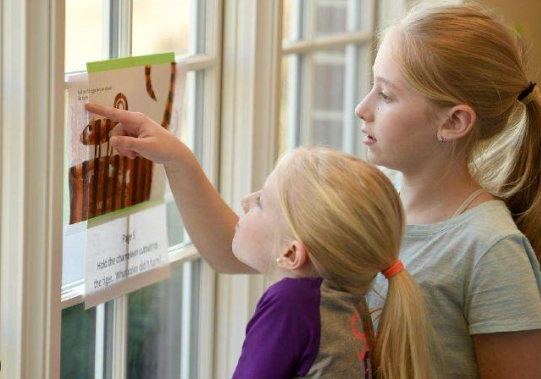
The simplest DIY approach: print pages and tape them up along a hallway, entryway, or community center wall. It’s great for indoor StoryWalks when weather is rough or you want to pilot the idea quickly.
2) Yard signs or stake signs
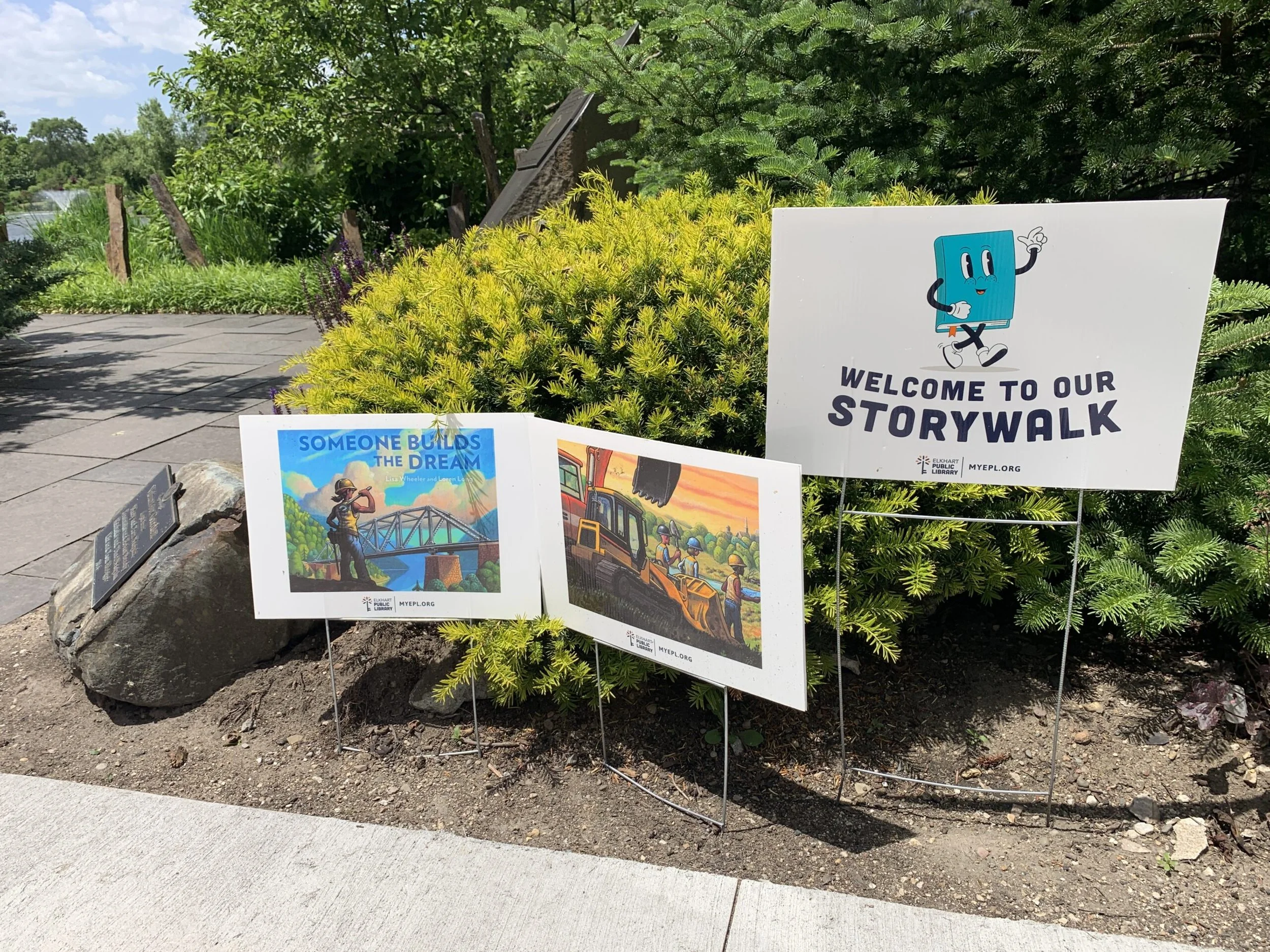
Need a quick outdoor setup? Mount pages to yard signs or stake signs along a path. It’s inexpensive and works well for short-term StoryWalks.
Best for: school lawns, parks, pop-up family nights, library events.
3) Fence or railing displays (clips + zip ties)
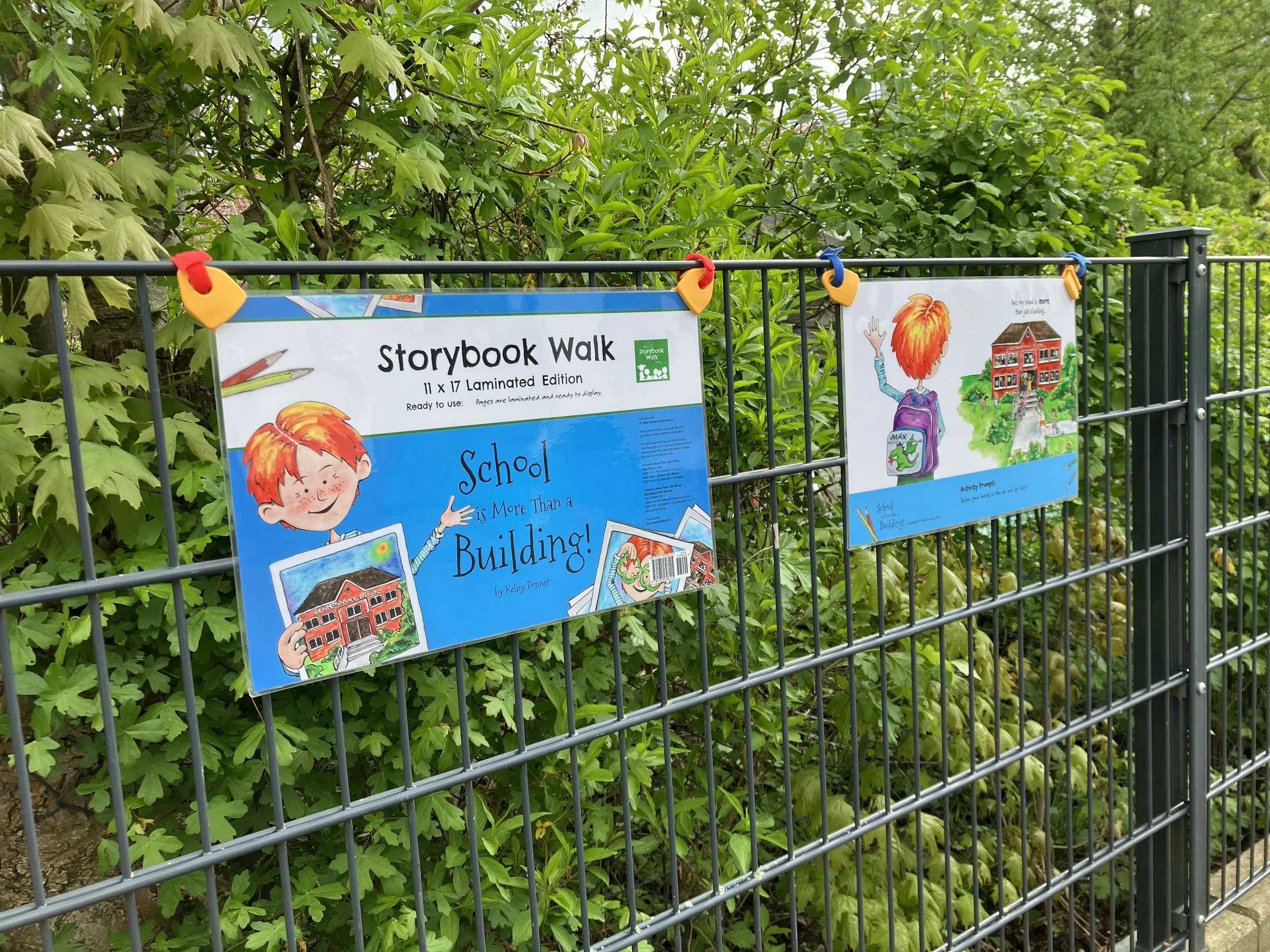
If you have a fence line, playground railing, or long exterior wall, clip pages up in order. This is one of the easiest ways to create a “walk” without needing posts in the ground.
Pro tip: Put pages in clear sleeves to reduce wear from dew, rain, and fingerprints.
4) Event-style poster stands or A-frames
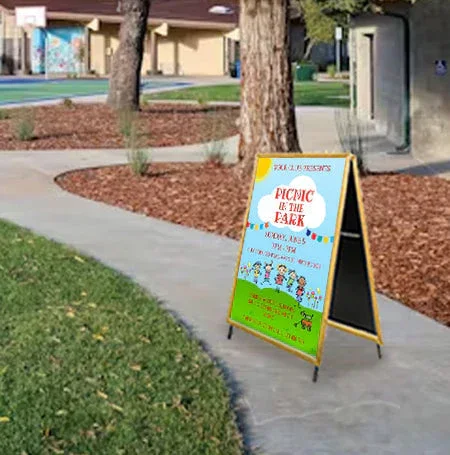
For a more polished temporary StoryWalk display, use A-frames or weighted poster stands. They look intentional, they’re reusable, and they store nicely between installs.
Great for: festivals, farmers markets, community gatherings, library programming days.
Permanent StoryWalk signs (built for weather, swapping, and long-term use)
5) Traditional permanent StoryWalk frames
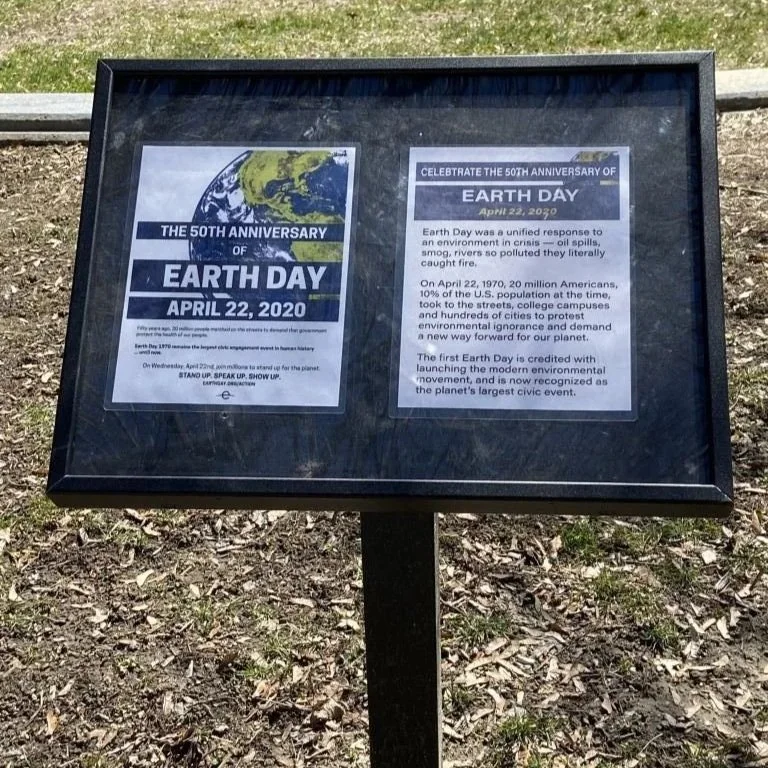
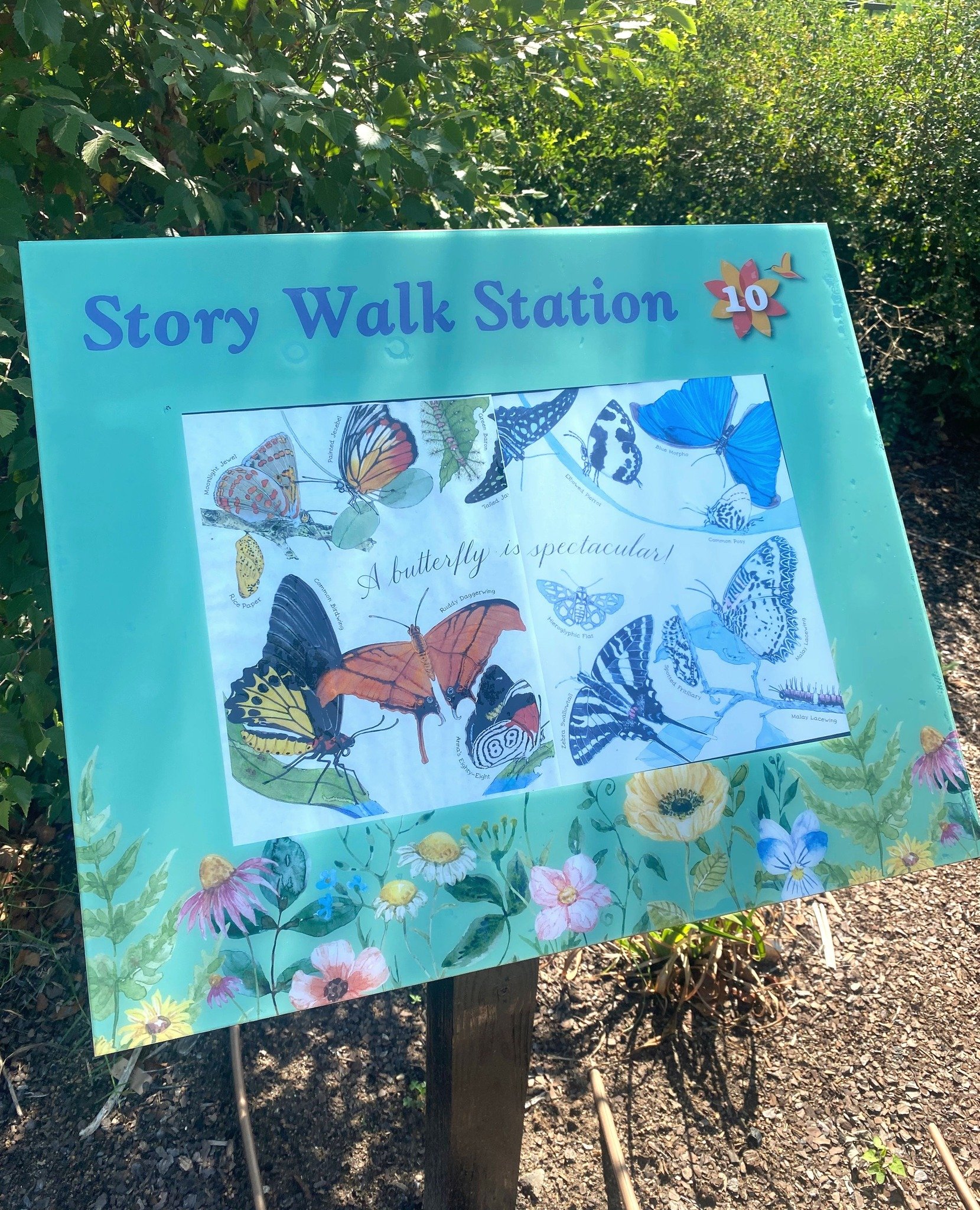
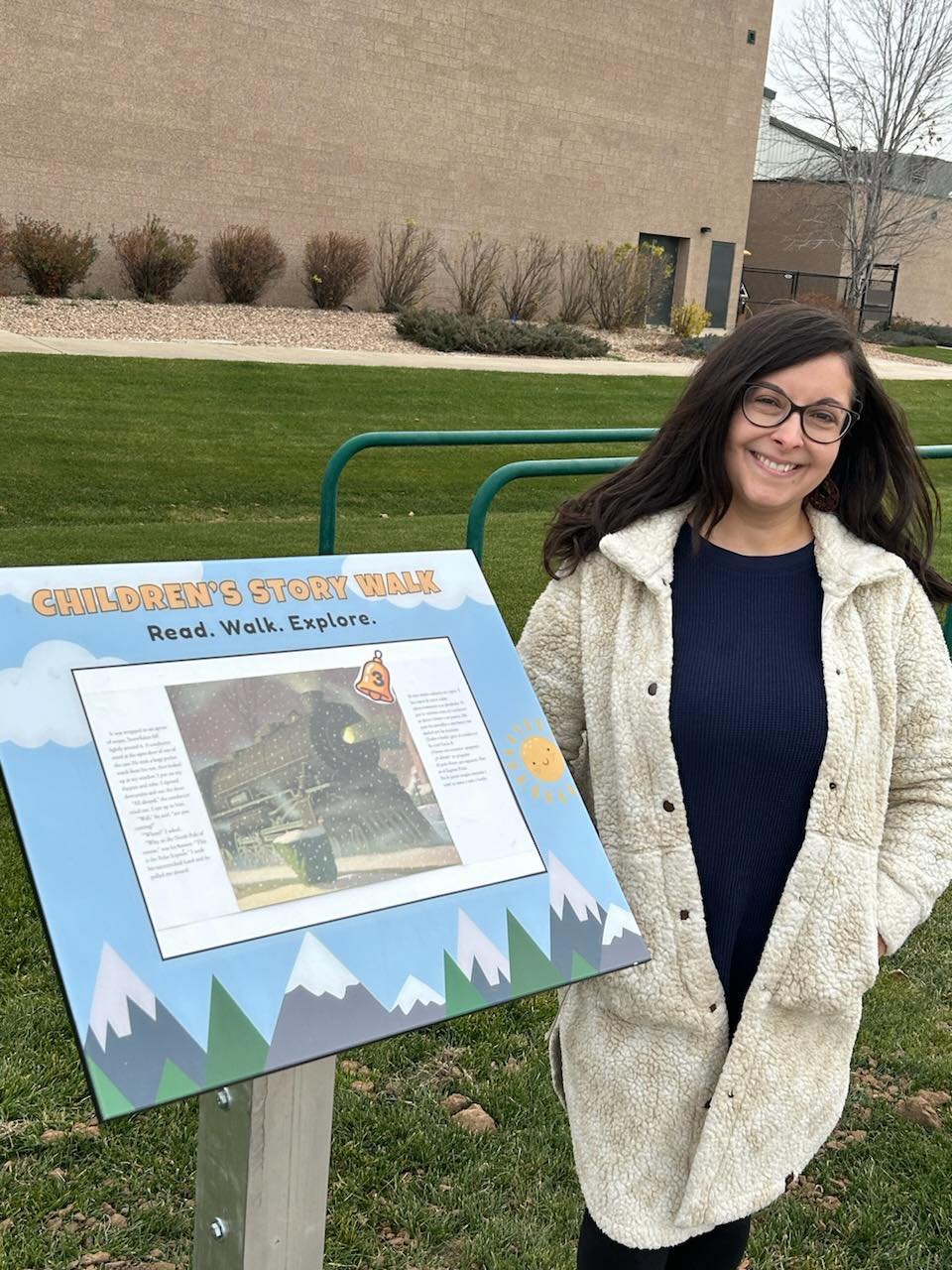
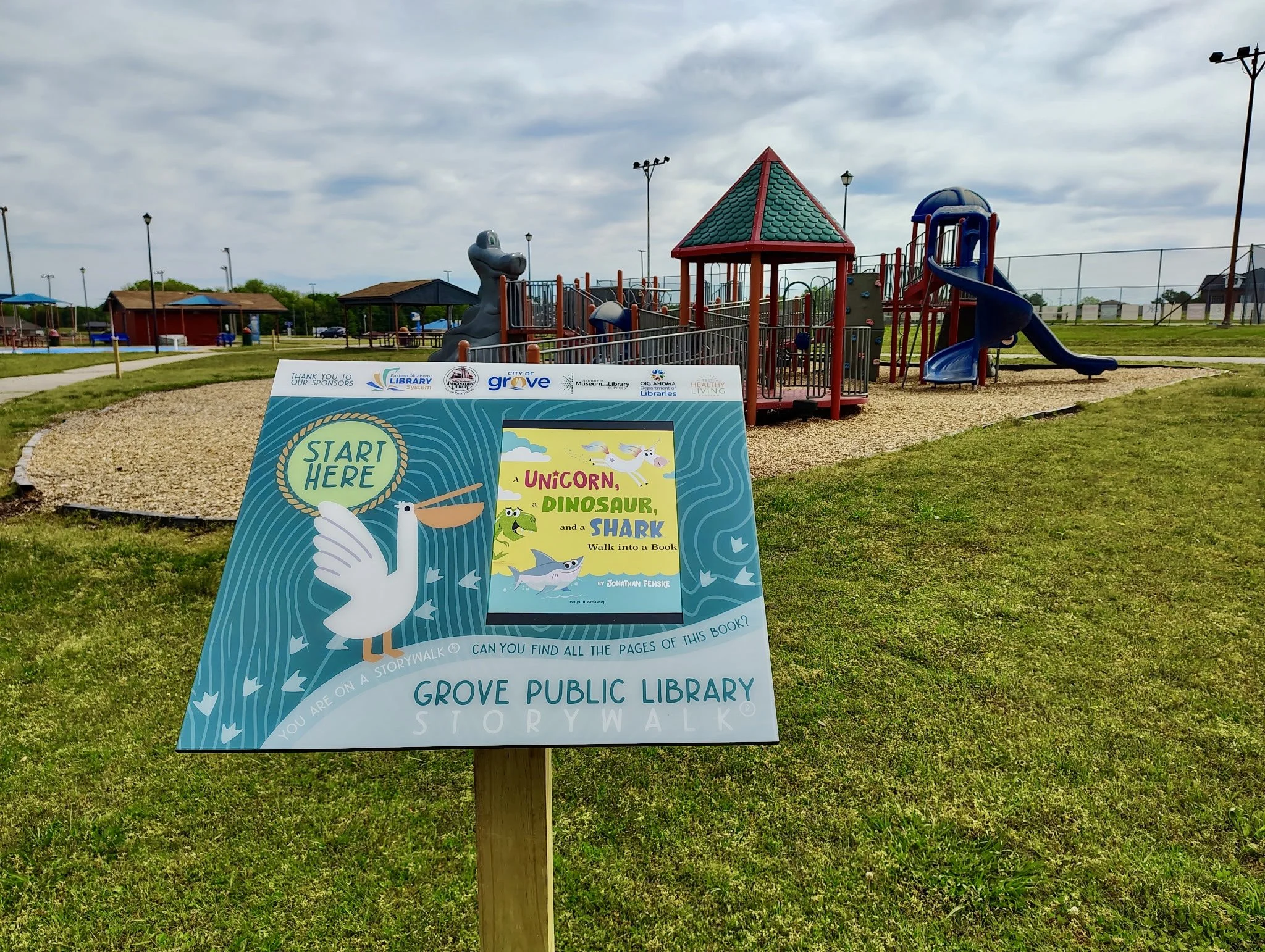
Permanent frames are a classic solution for parks and trails where you want the walk available year-round. Pages are protected behind a clear cover, and staff can swap stories as needed. These signs are best used for municipalities, park districts, long-term library partnerships.
The downside of a storywalk frame is that usually you need to design a backer panel. Backer panels add personality and information to your signs but often get faded and wet from water leaks. The panel and books can also be stolen out of the sign because most StoryWalk frames are not lockable. They usually require a screwdriver to open up which can also make changing them out a long process.
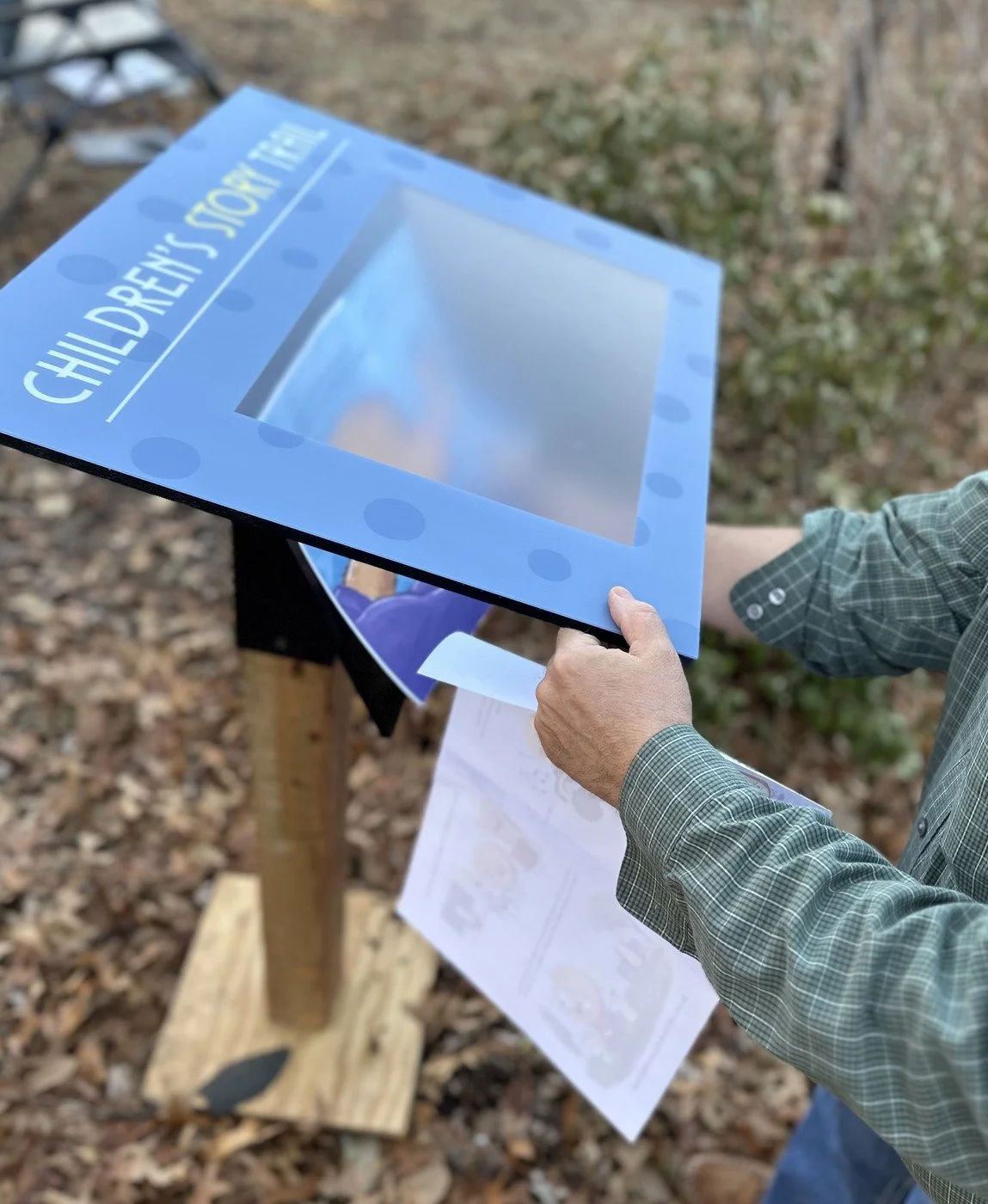
6) Lockable, flip-open StoryWalk panels for quick swaps
If you want permanent outdoor durability and fast updates, consider a panel system designed specifically for StoryWalk use—especially if the path is in a public area.
This approach is ideal when you’re:
swapping stories frequently (monthly/seasonal)
dealing with sun and moisture
wanting a cleaner look than laminated pages on posts
needing extra security in high-traffic public spaces
For example, our Read & Walk® StoryWalk signs and panels are built for outdoor StoryWalk installs with a viewing window sized for two facing pages. The panels are weather-ready, and the flip-open design is made for quick page changes—so staff can refresh the walk without a long setup day.
If you’re comparing permanent StoryWalk signs, this is the kind of thing you want to look for:
outdoor durability (sun + water)
simple access for page swaps
options for locking (especially on public trails to keep people from steeling book pages)
mounting that works with common posts (the Read & Walk StoryWalk signs have 3 different mounting options)
a system that matches your story page dimensions (most signs/frames are 18” x 24” and require the use of a backer panel)
Lark Signs, Read & Walk is a great option for a permenant display. It is waterproof, fully customizable, and has a 10 year colorfast guarantee. Learn more about Lark Signs StoryWalk Signs & Panels: https://www.larksigns.com/storywalk-sign-and-panels
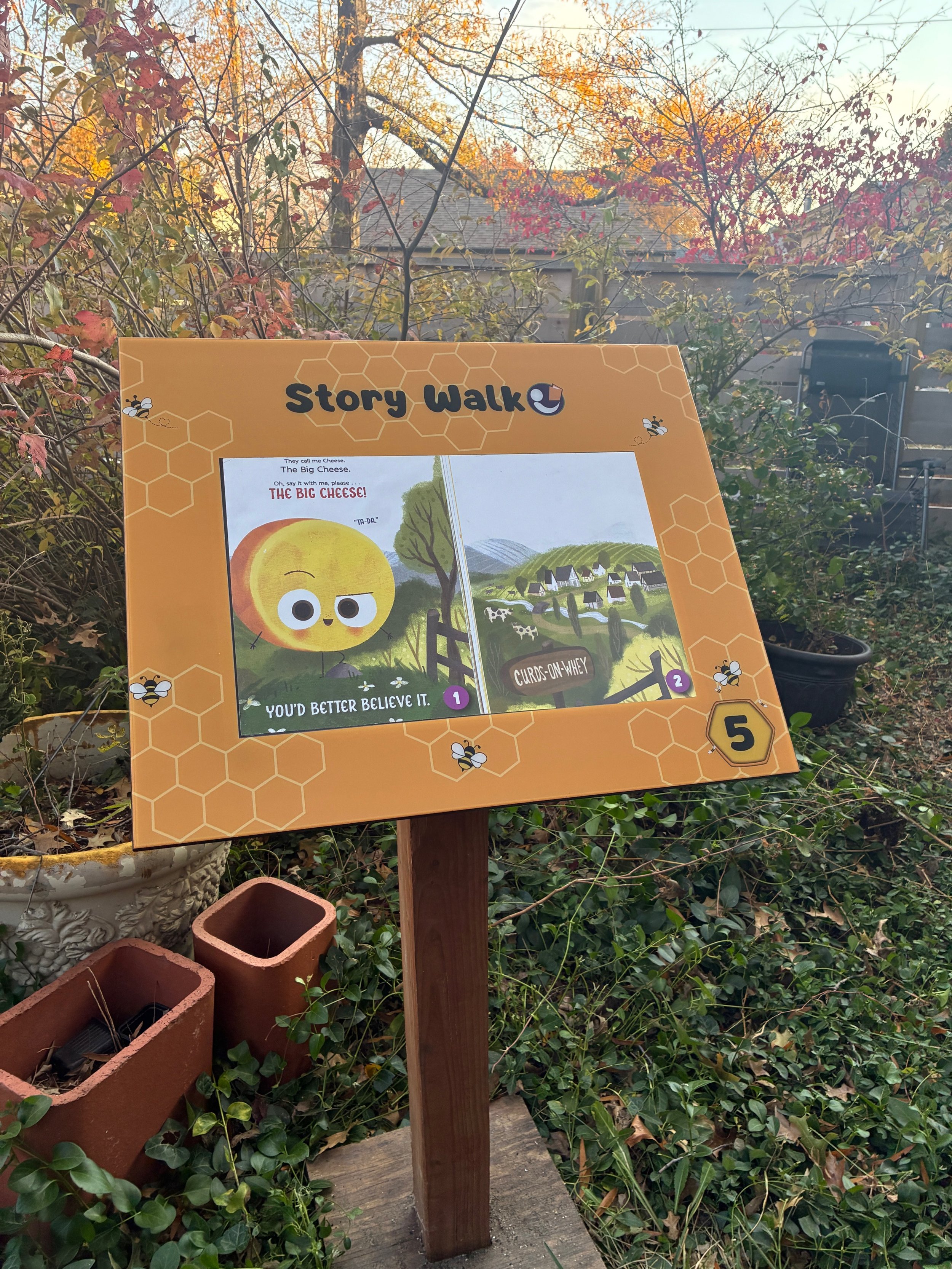
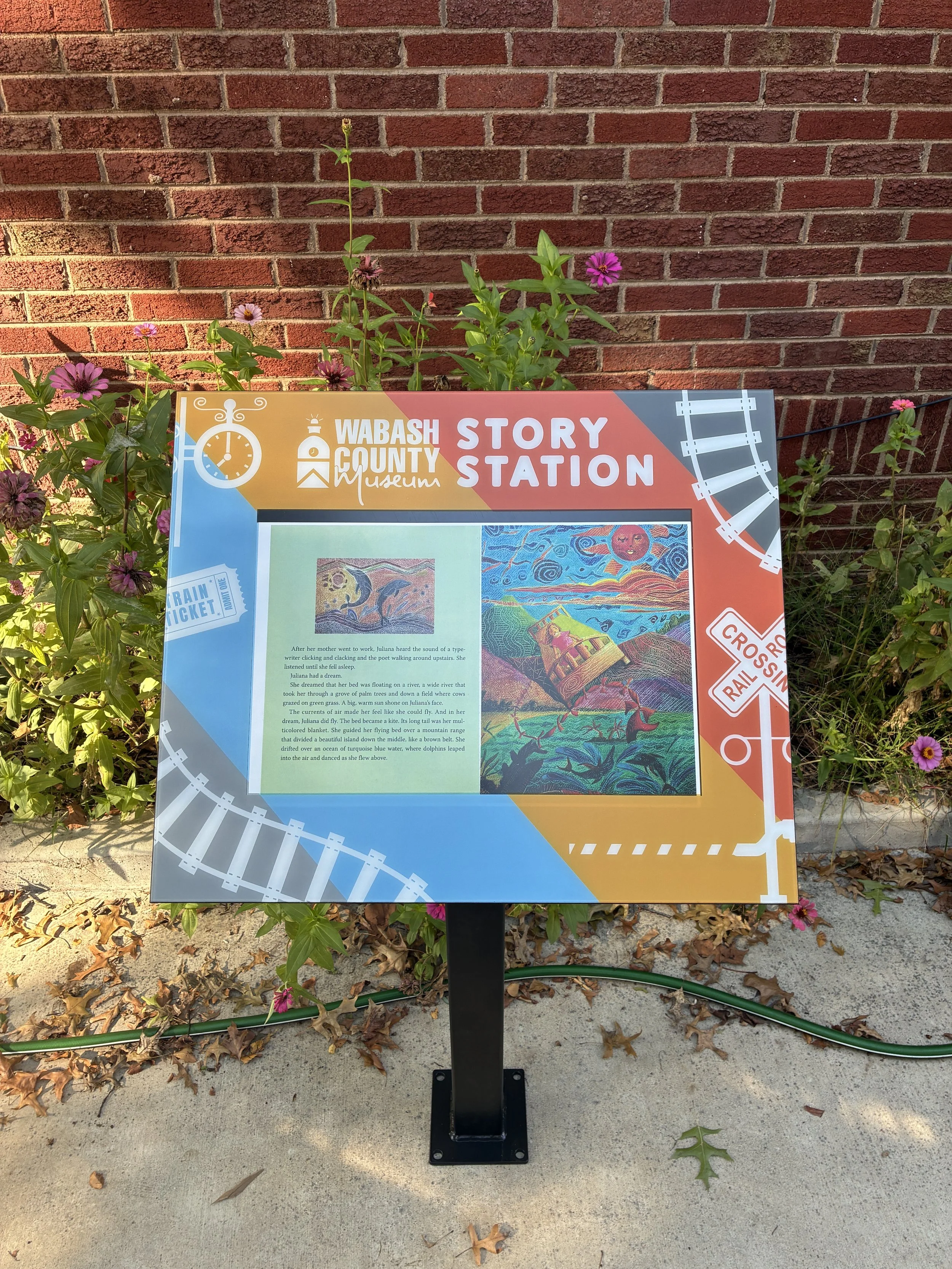
StoryWalk book sets: the easiest way to keep your StoryWalk fresh
A lot of StoryWalk organizers discover the “hidden challenge” isn’t the posts—it’s the pages.
You generally have two paths. You can prep pages yourself (printing/laminating/cutting/organizing), or use StoryWalk book sets that are already formatted for display.
If you want to reduce staff time and make swapping stories smoother, a curated catalog helps a ton.
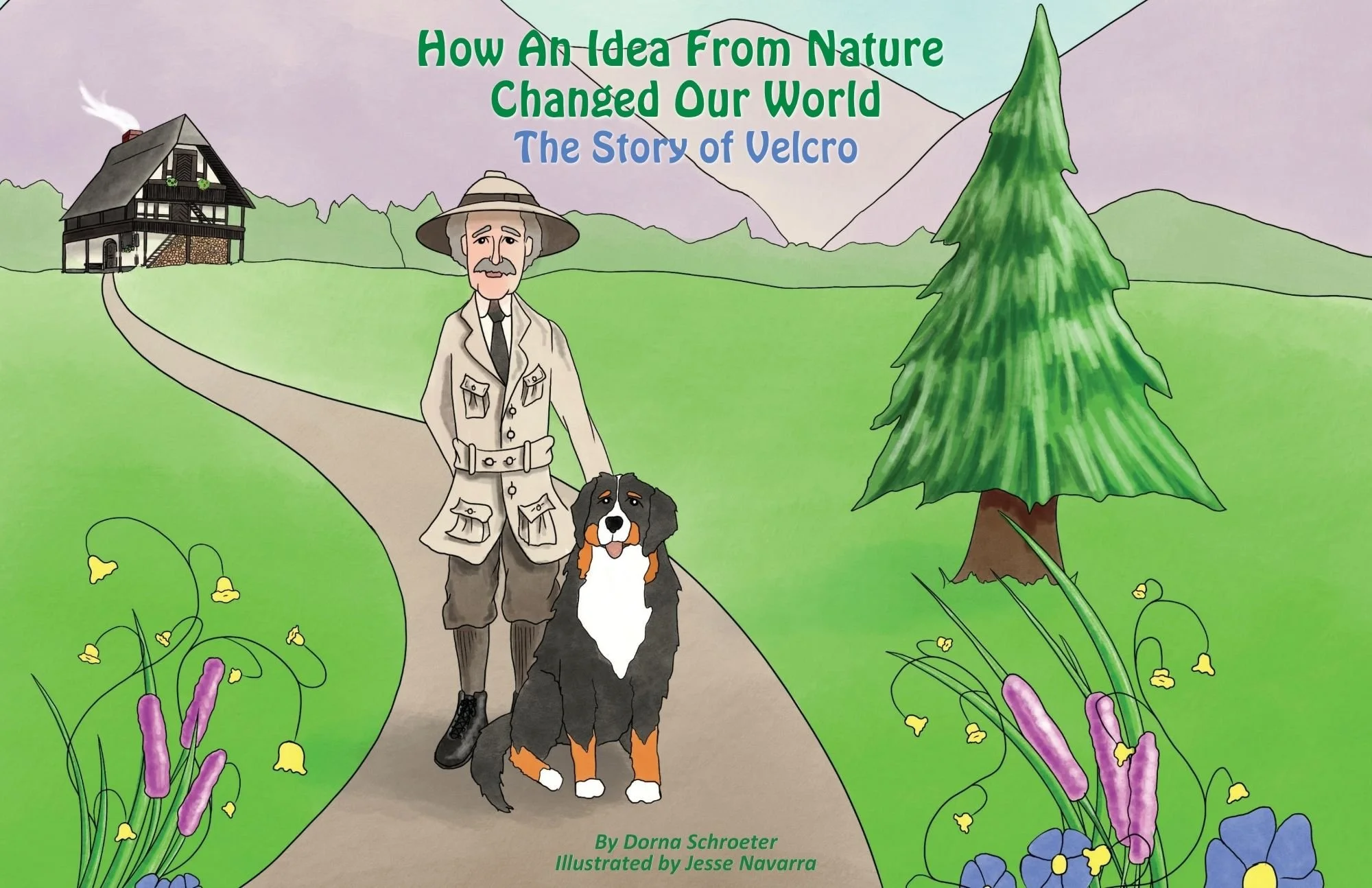
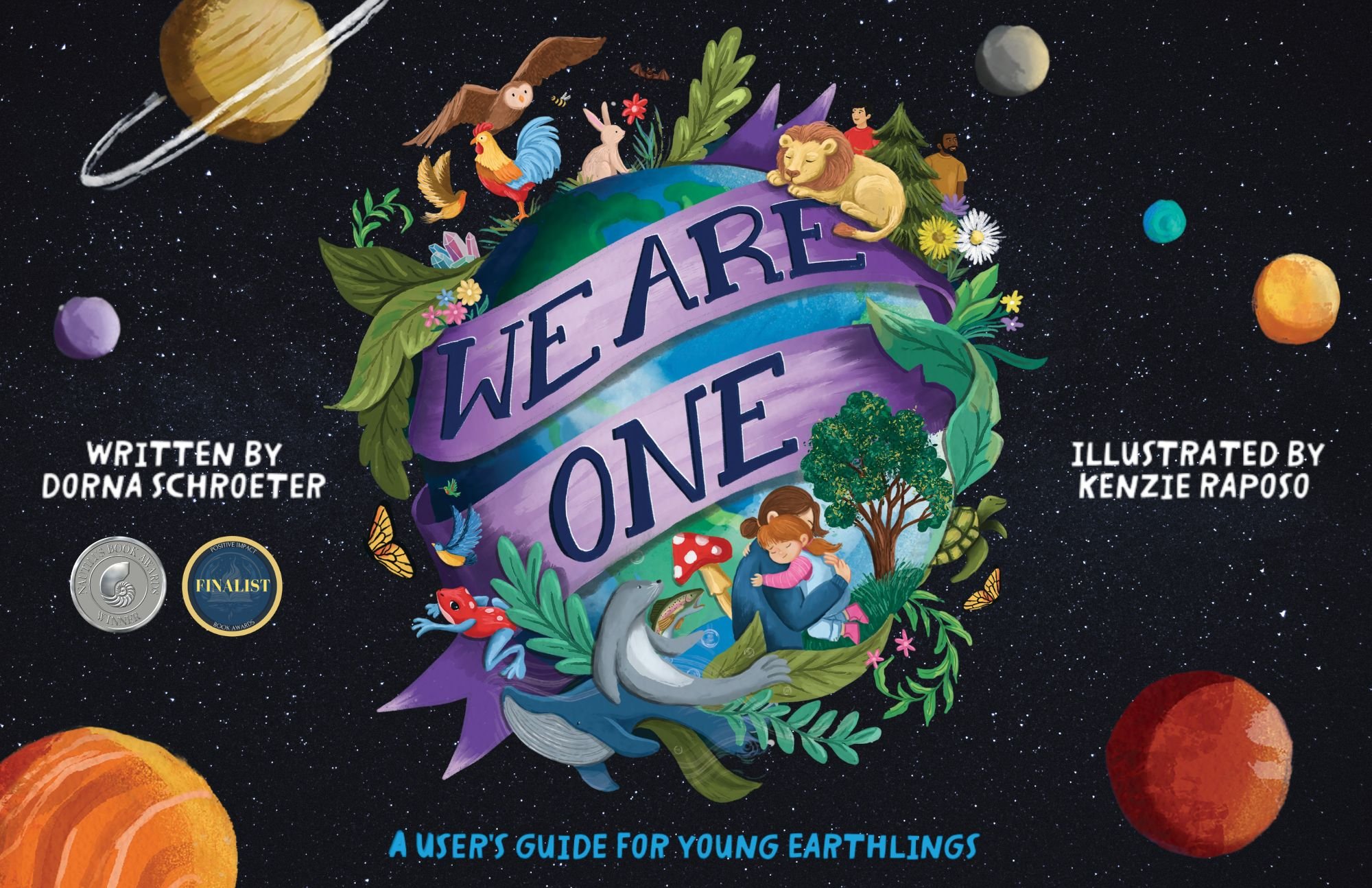
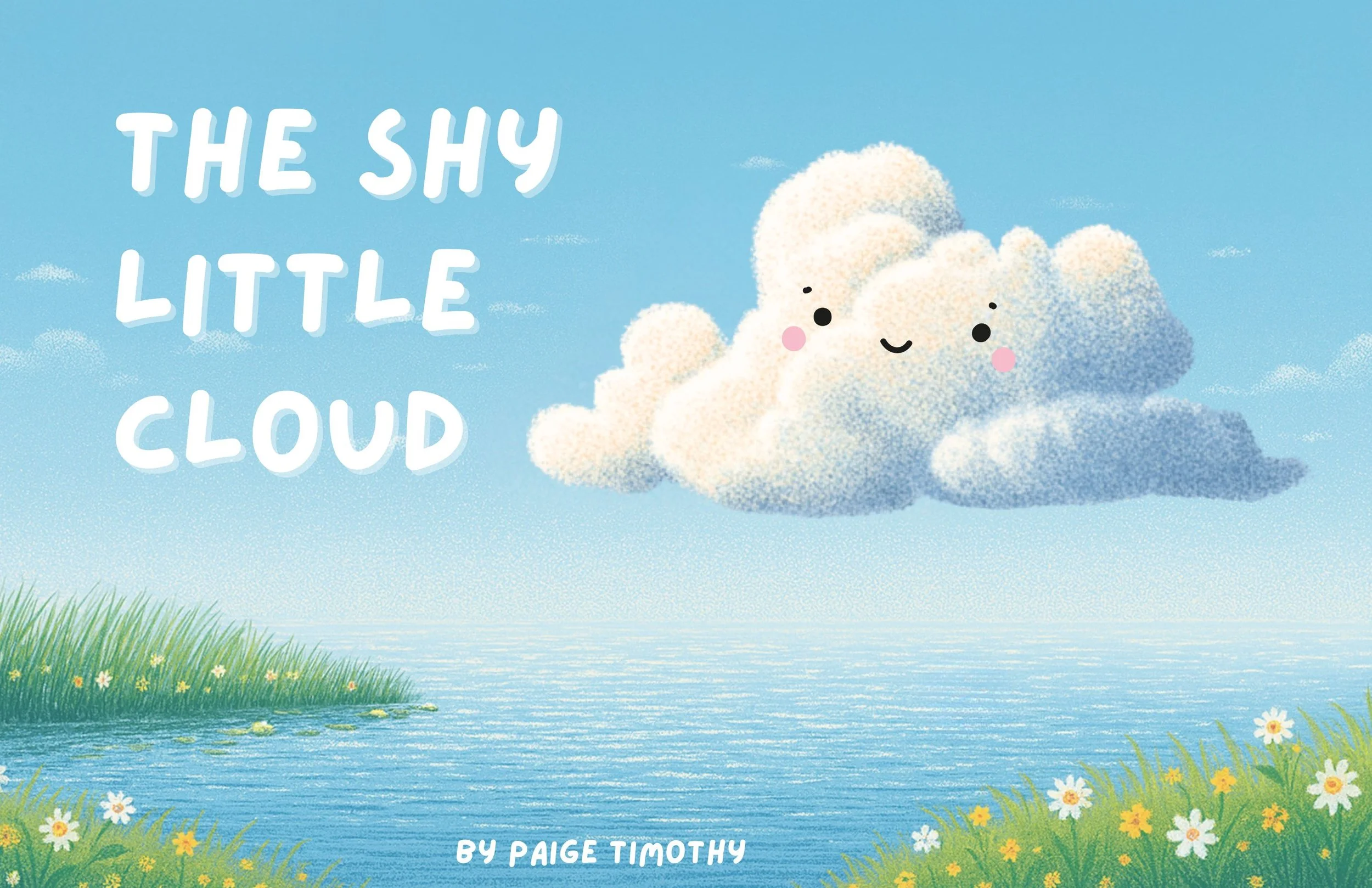
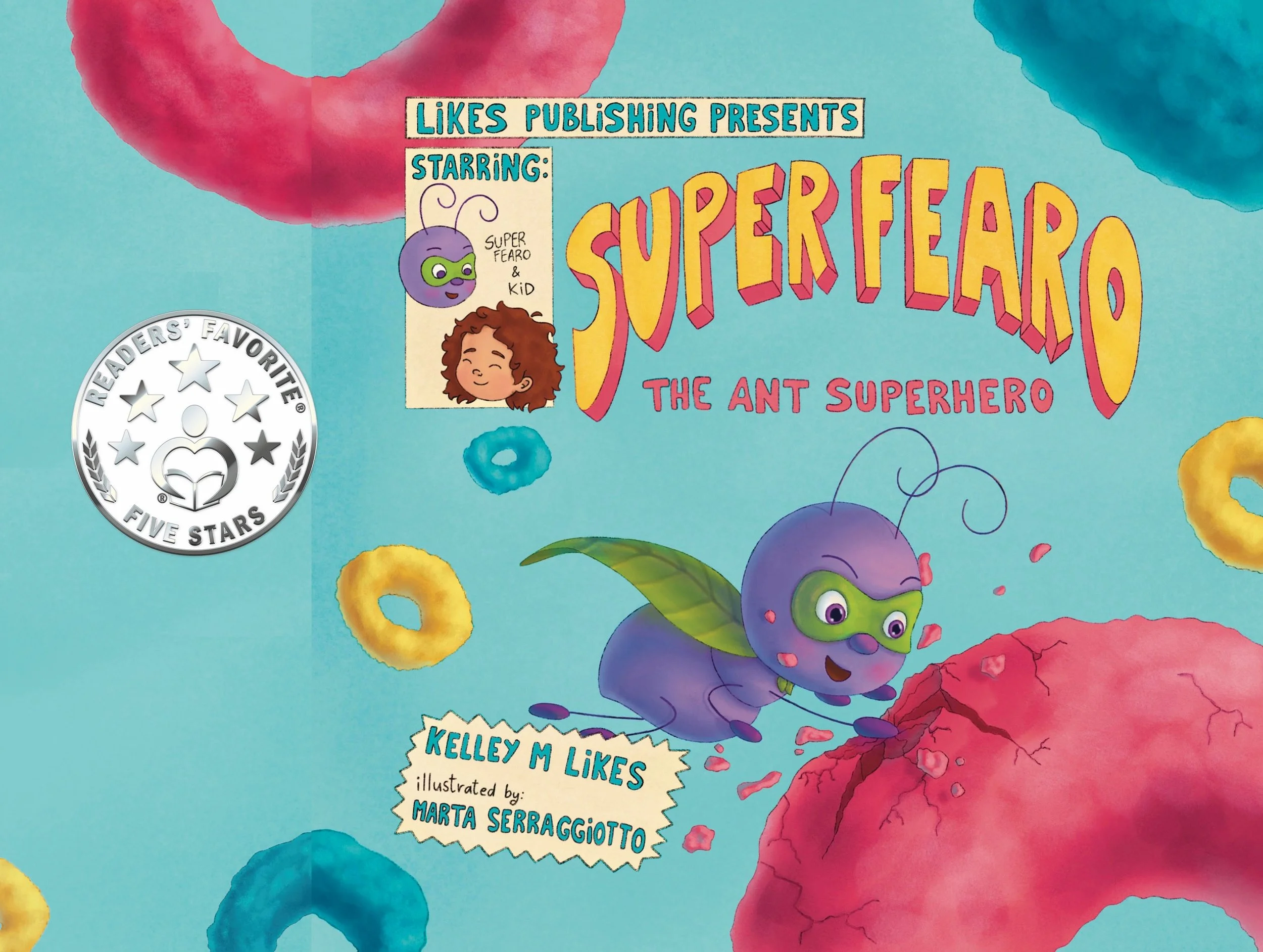
Explore our StoryWalk book catalog
Our StoryWalk Book Shop includes options like:
Print sets (mailed to you)
Digital downloads (instant access)
Activity prompts (movement + literacy add-ons)
Bonus add-ons for your StoryWalk
While a StoryWalk is mainly for reading outdoors, it is also a great marketing oppurturity for the book authors and the organization hosting them. Whether you add links to your own website or help the author promote their book, here are some great additions for your storywalk signs.
Add QR codes for audio, activities, and book links
QR codes are an easy win for engagement and accessibility. Use them to link to:
audio read-alouds (when available)
movement prompts and scavenger hunts
storytime schedules
“find this book” pages in your catalog
Bonus: QR codes can help you measure interest (clicks/scans) without extra paperwork.
At Lark Signs, we can add the QR Codes to your events page right on the sign, as well as sponsorship logos.
How to choose the right StoryWalk display (simple checklist)
Ask these five questions:
How long will the StoryWalk be up? (weekend vs. year-round)
How often will you swap stories? (monthly swaps → prioritize quick access)
What’s your weather like? (sun + moisture are the big two)
Is the route public and high-traffic? (lockable options can help)
Do you want sponsor recognition and program info? (add a start/end sign, sponsorship logos, and custom community notes)
If you’re just starting, go DIY. If you already know the program is popular, investing in a permanent setup usually pays off in time saved.
Wild Faces in Wild Places: Prairie Animals is a flexible, non-fiction StoryWalk designed for parks, libraries, schools, nature centers, and community trails.
Unlike a traditional storybook, each sign stands on its own. That means you can customize the experience to fit your trail. Have 10 signs? Choose your favorite animals, then when it comes time to change out content use the other pages. Have 20 signs? Display the entire collection. Want to rotate exhibits throughout the year? Swap in different animals whenever you'd like.
Each page features a fascinating prairie animal, engaging facts, kid-friendly science, and an interactive activity prompt that encourages children to move, observe, imagine, and connect with nature around them.
Perfect for children ages 5–13, families, educators, and outdoor learning programs, this adaptable StoryWalk© helps visitors explore the incredible wildlife of North America's grasslands—one sign at a time.
Features:
Modular design—use as many or as few pages as your trail allows
Interactive activity prompts on every page
Engaging wildlife facts and animal adaptations
Prairie ecosystem and conservation content
Ideal for StoryWalks©, nature trails, parks, schools, libraries, and outdoor classrooms
Designed for ages 5–13
Number of Panels needed:
1-22 panels! No story line, so mix and match as you please!
Size:
17” x 11”
Type:
Printed on thick, UV resistant paper. Will fit perfectly in a Lark Signs StoryWalk© Sign with no lamination needed. But if not, will still need to be laminated.
Copyright © 2026 Meghan Beehler. All rights reserved.
This StoryWalk© edition is licensed solely for the creation and display of StoryWalk© panels. No part of this publication may be reproduced, distributed, sold, modified or transmitted in any form or by any means beyond the StoryWalk© format without prior written permission from the copyright holder.
The author retains full copyright ownership.
This digital file may not be resold, shared, or uploaded to public websites.
For permission requests or additional licensing, contact:
meghan@larksigns.com
www.larksigns.com