The Evolution of Historical Markers: From Bronze Plaques to Modern Outdoor Interpretive Panels
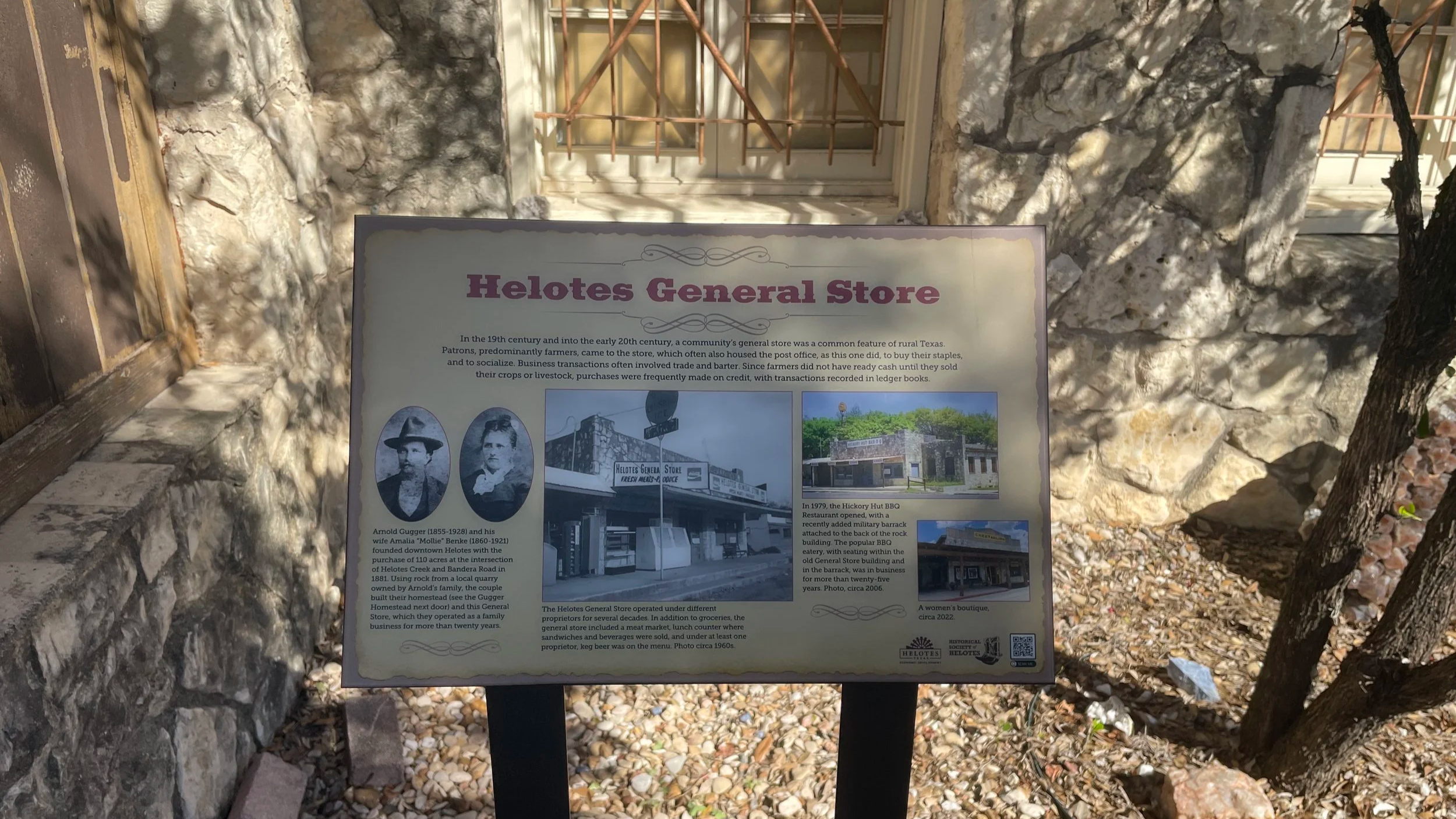
Historical markers have been part of public spaces for more than a century. As communities, museums, parks, and historical societies work to preserve local stories, the signage used to share those stories has evolved dramatically. What began as heavy bronze plaques has transformed into modern outdoor interpretive signs designed to last decades with minimal maintenance.
This blog explores the history of historical markers, why materials changed over time, and why many organizations now prefer UV-resistant, weatherproof interpretive panels for long-term outdoor storytelling.
The Early Era of Historical Markers: Bronze and Cast Metal Plaques
For much of the 20th century, bronze and cast aluminum plaques were the standard for permanent historical markers.
Why Bronze Historical Markers Became Popular
Longevity – Bronze and cast metal can withstand decades outdoors.
Prestige – Heavy metal plaques conveyed authority and importance.
Simplicity – Early markers included brief facts, dates, and short paragraphs.
These signs are still beloved today, but they come with limitations.
Drawbacks of Bronze and Cast Metal Historical Signs
High cost of casting and engraving
Limited storytelling space
Patina and corrosion over time
Risk of theft due to metal value
Small text that lacks modern ADA accessibility standards
As public history programs expanded, so did the need for signs that could tell richer stories.
The Shift to Interpretive Signs: A New Way to Tell History
By the late 20th century, organizations began replacing small plaques with full-color interpretive signs. These educational panels allowed for deeper storytelling and improved visitor engagement.
Benefits of Modern Interpretive Signs
Full-color graphics, including photos, maps, and illustrations
More surface space for longer, more inclusive historical narratives
High accessibility with ADA-friendly contrast and font choices
Flexible mounting options for trails, parks, and museum grounds
Lower replacement cost compared to bronze markers
Interpretive signs helped transform passive viewing into active learning — perfect for park trails, historic sites, nature centers, heritage corridors, and municipal projects.
Material Innovations: From Acrylic Overlays to UV-Stable Printed Panels
Before today’s advanced materials became standard, many interpretive signs relied on acrylic overlays or laminated prints. Over time, these materials revealed major drawbacks.
Problems With Acrylic and Laminated Outdoor Signs
Yellowing or hazing
Cracking, warping, and bowing in sun exposure
Water intrusion causing bubbling
Need for frequent replacement
These issues drove the industry toward durable, maintenance-free materials engineered specifically for long-term outdoor use.
Modern Historical Markers: Weatherproof, Fade-Resistant & Built to Last
Today, most high-quality historical and interpretive signs are created from advanced materials like:
UV-stable printed aluminum
High-Pressure Laminate (HPL)
Fiberglass Embedded (FRP) panels
HDPE outdoor signage
These materials are engineered to be fade-resistant, waterproof, rustproof, and non-yellowing, making them ideal for outdoor historical projects that must last 10–20 years or longer.
Why Lark Signs Represents the Modern Era of Historical Signage
Lark Signs specializes in durable, long-lasting outdoor interpretive and historical signage designed for parks, museums, cities, and heritage organizations across the country.
What Sets Lark Signs Apart
No lamination required — nothing to peel, bubble, or yellow
UV-resistant inks for long-term fade protection
Guaranteed not to warp, crack, or fade for 10+ years
Direct-print technology eliminates acrylic and overlay issues
High-contrast, ADA-friendly designs for maximum accessibility
Full-color printing perfect for archival photos, maps & illustrations
While traditional acrylic panels and bronze plaques require ongoing care or replacement, Lark’s modern interpretive signs stay bright, clear, and readable for many years — even in harsh climates.
The Future of Historical Markers & Interpretive Panels
As digital tools and preservation efforts evolve, several trends are shaping the next generation of historical signage:
QR codes and digital storytelling layers
Community-led history projects
Inclusive, multi-perspective narratives
Eco-friendly and recyclable signage materials
Consistent branding for heritage routes and trails
Durable outdoor panels will remain essential because they offer immediate, high-visibility access to history — with no device or internet required.
Historical markers have come a long way — from bronze plaques to today’s vivid, weatherproof interpretive panels that bring stories to life. Modern materials like UV-stable aluminum and HPL ensure that history stay accessible, beautiful, and protected for decades.
For organizations looking to install long-lasting historical signage, Lark Signs provides museum-quality interpretive panels built to withstand the elements while showcasing local stories with clarity and color. Start your quote today!