What Makes a Great Interpretive Sign? Five Principles for Engaging Outdoor Storytelling
Interpretive signs do more than present information — they help visitors connect with a place in a meaningful, memorable way. Whether located along a trail, at a historic site, or in a nature center, these signs shape how people understand their surroundings and interact with the landscape.
At Lark Signs, we design and fabricate interpretive panels that pair strong storytelling with durable materials made for outdoor environments. Over the years, we’ve learned that the most effective signs share a few core principles. Whether you're developing content for a single sign or planning an entire trail system, these guidelines will help ensure your message resonates.
Get inspiration for your interpretive sign, here.
1. Start with a Single Strong Theme or Message
Every great interpretive sign begins with clarity. Outdoor visitors rarely linger long enough to read dense paragraphs, so each panel should communicate one primary idea — the key takeaway they’ll remember after walking away.
A focused theme might highlight how a species interacts with the ecosystem, explain the significance of a cultural site, or reveal a unique aspect of the landscape. When the content revolves around one central message, everything else — imagery, captions, callouts, and layout — becomes stronger and more intentional.
Clear messages lead to clearer signs.
2. Use Storytelling and Meaningful Context
Facts are useful, but stories are unforgettable.
Interpretive signage is most effective when it connects visitors emotionally to the place where they’re standing. Instead of listing disconnected facts, great signs use narrative to explain why something matters.
This might look like:
Describing how wildlife, plants, and climate interact in a specific habitat
Sharing historical events that occurred in that exact location
Highlighting cultural perspectives or traditional knowledge
Showing how the landscape has changed over time — and what that means today
When information is tied to context, visitors don’t just learn — they experience. Storytelling builds a sense of place and invites people to see their surroundings with new appreciation.
3. Combine Visuals and Text Wisely
Interpretive signs are visual tools first and foremost. Strong imagery doesn’t just make a sign more attractive — it improves comprehension and draws people in from a distance.
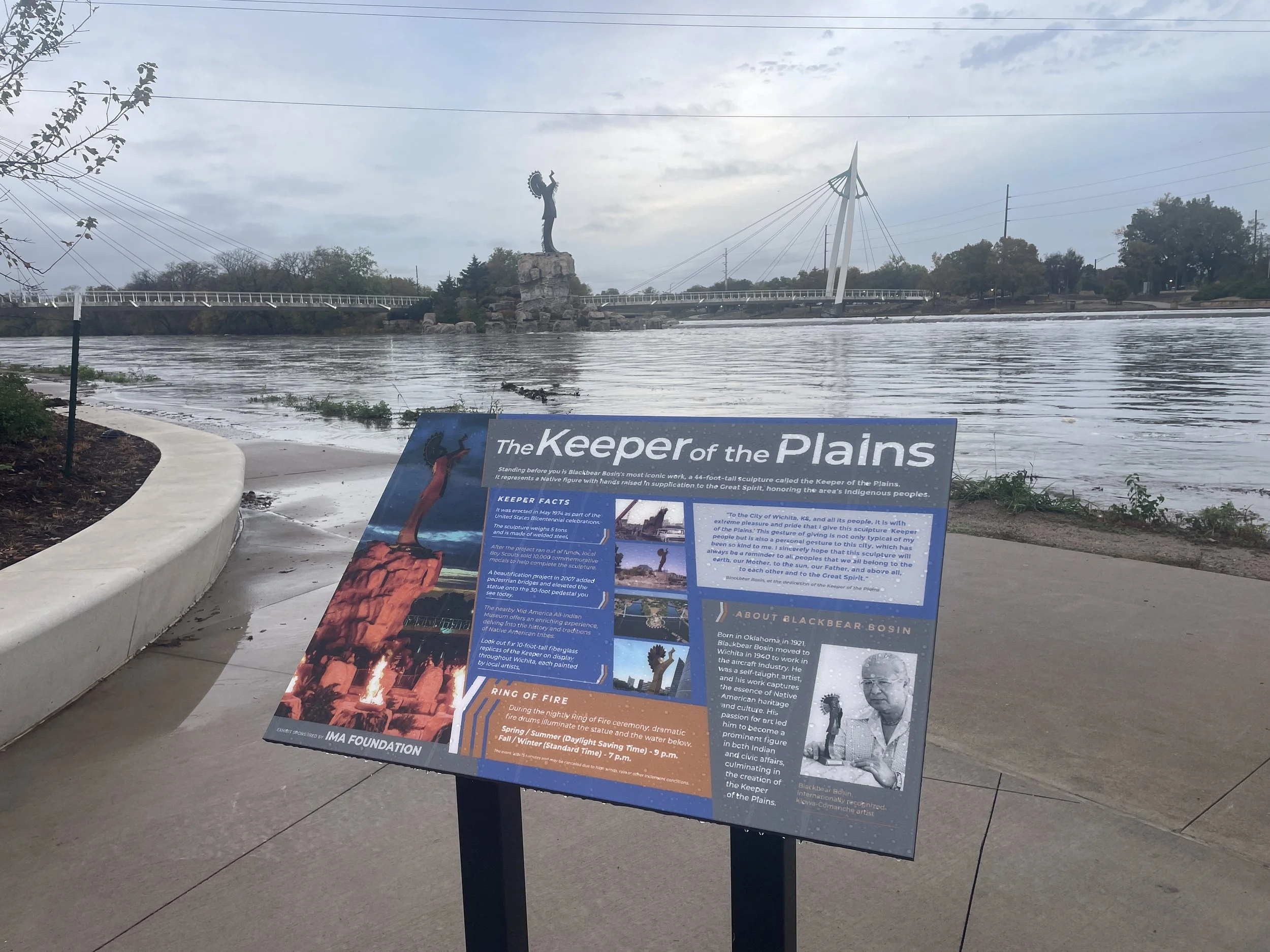
Thoughtful visual choices may include:
Photos or illustrations that clarify key concepts
Maps that orient visitors within the site
Diagrams that explain natural cycles or timelines
Simple icons that help readers scan quickly
Images and text should work together, not compete. Clean negative space, balanced layouts, and purposeful captions help visitors navigate the sign intuitively. When visuals support the message, engagement increases significantly.
4. Keep Text Clear, Concise, and Readable
Even the most compelling content loses impact if visitors can’t read it easily. Outdoor settings introduce challenges—bright sunlight, shadows, and varied viewing angles—so text must be structured for quick understanding.
Effective interpretive writing uses:
Short, approachable sentences
Plain language instead of technical jargon
Brief paragraphs or bullet points
Headings and subheadings that guide the reader
Highlighted callouts for important facts or quotes
Most interpretive signs aim for 150–200 words, depending on size. The goal is to inform without overwhelming. When readers can scan comfortably, they’re more likely to absorb the message.
5. Thoughtful Placement and Design Integration
A beautifully designed sign won’t reach its full potential if it’s placed in the wrong spot. Placement and physical design play major roles in how visitors interact with the content.
Great interpretive signage considers:
Where visitors naturally pause or look
The direction people approach from
How the sign complements the landscape or structure
Whether materials and colors blend with the environment
Sightlines, accessibility, and long-term durability
When a sign feels integrated into its surroundings — rather than tacked on — it enhances the visitor experience while protecting the character of the site.
Bringing Meaningful Stories to Life
Interpretive signs have the power to deepen people’s understanding of the natural world, preserve cultural stories, and inspire the next generation of stewards. By blending clear messages, thoughtful storytelling, strong visuals, and intentional design, these panels help transform ordinary spaces into memorable learning experiences.
If you're planning a nature trail, historic exhibit, or educational installation, our team can help bring your ideas to life — from concept development to durable, high-quality fabrication.
Ready to start your project?
Contact us to begin designing interpretive signs that engage, inform, and inspire.